
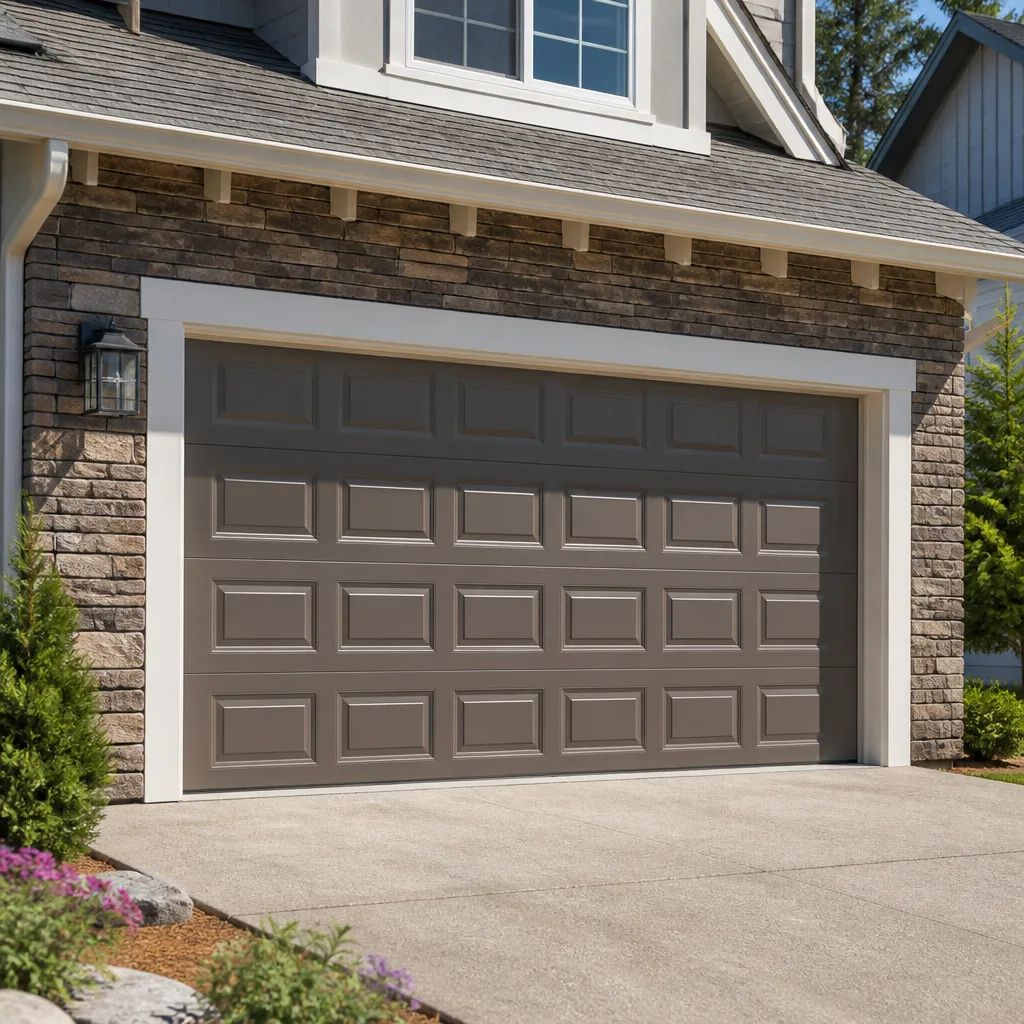
 Raised-panel steel
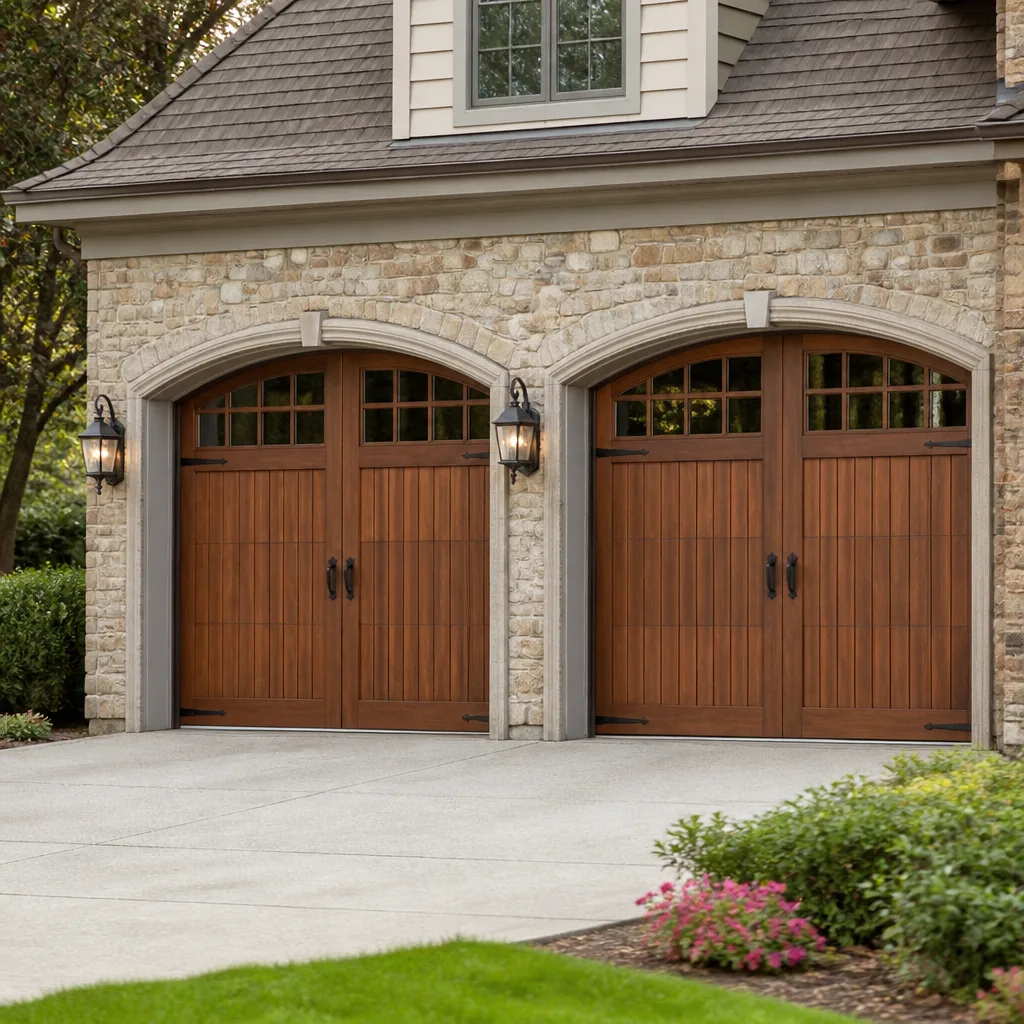 Carriage house
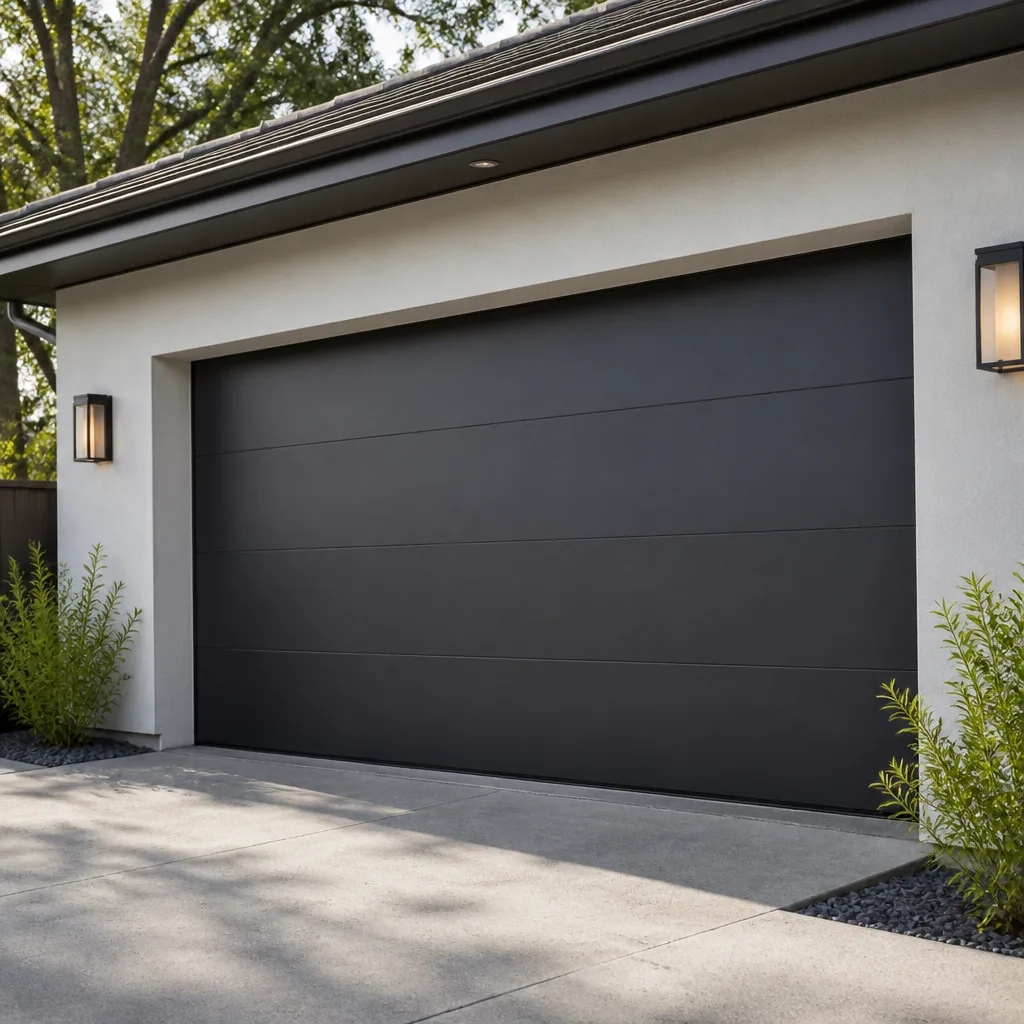 Modern flush
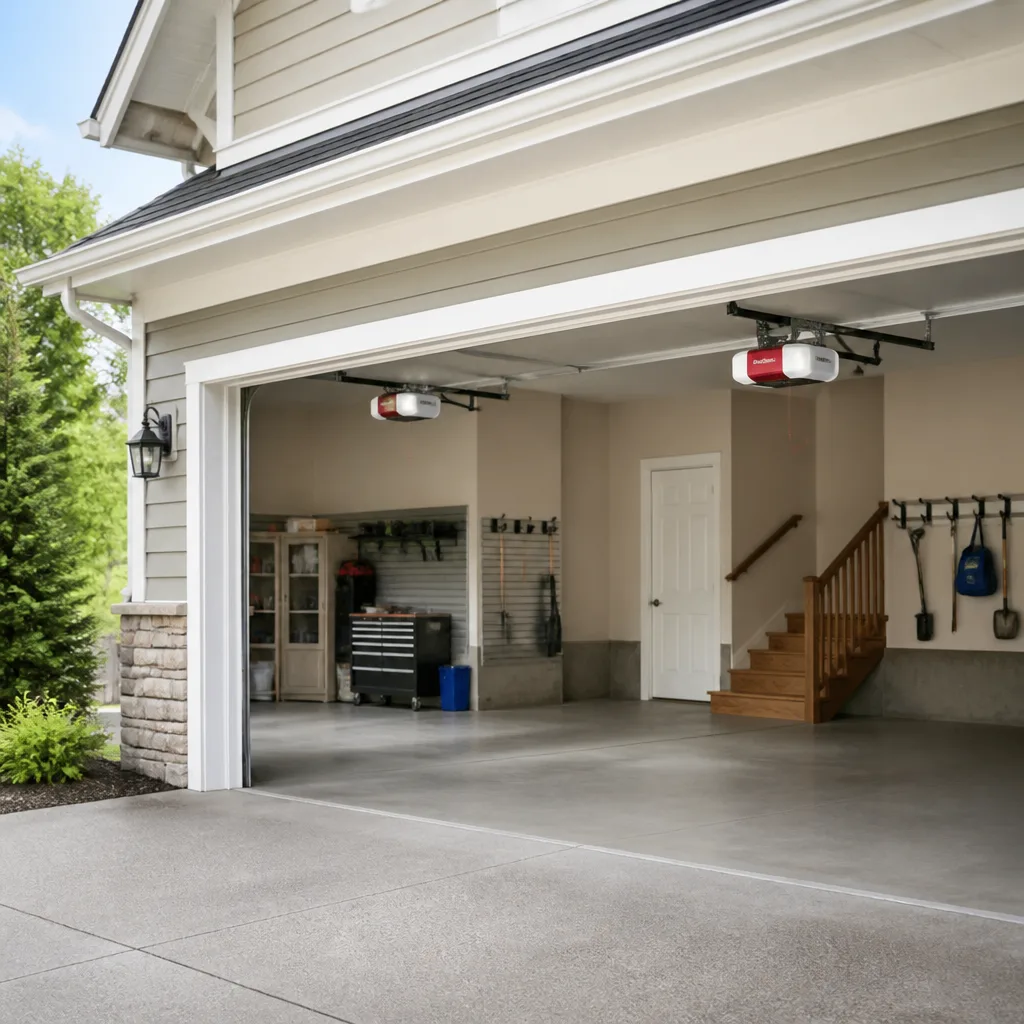 LiftMaster openers
 Chamberlain openers
Full 25-point door and opener safety check with every visit - springs, cables, rollers, tracks, and your LiftMaster or Chamberlain opener included
You get a price before we start. It does not change when the truck arrives.
Get your free estimateGenie Weather Seal Replacement: The Austin Owner’s Guide
We stock and install Genie-compatible weather seal replacement on our service trucks, with most Austin jobs running $75 to $150 installed, including the part and labor. Most Genie weather seal replacements we handle are completed same-day, often in under an hour. You usually discover this part has failed when you see daylight under the door, feel a draft in the garage, or spot cracked rubber hanging from the bottom of the door after a heavy rain.
Weather seal, sometimes called astragal or bottom seal, is the rubber strip along the bottom edge of your Genie garage door. Its job is simple: keep water, dust, leaves, rodents, and the Austin heat from getting into your garage. When it fails, the garage stops being a clean space and starts being an extension of your yard. Aaron Teague has pulled enough brittle, snapped Genie seals off Austin doors to know the difference between a seal that just needs replacing and a door that’s also out of balance and causing extra wear on the seal.
Which Genie Models This Applies To
The Genie weather seal itself is a door part, not an opener part, which means it matters what kind of door you have, not which Genie opener motor sits on the ceiling. Genie manufactured residential garage doors for years with their name stamped on the bottom retainer channel, and those doors take a T-style or bulb-style seal that slides into the retainer. If your door has a Genie badge or a Genie-branded bottom track, that’s the door we’re talking about.
Here’s the compatibility gotcha: Genie’s bottom retainers aren’t universal. Older Genie doors from the 1990s and early 2000s used a 1/4-inch T-channel. Later Genie doors, and many that were installed with Genie openers but have other-brand door panels, use a 5/16-inch T-channel. A 1/4-inch seal in a 5/16-inch channel will slip out within weeks, usually right after a hard rain. We measure the channel on the truck before pulling the replacement, so we don’t guess and you don’t pay for the wrong part.
The OEM-versus-aftermarket call for Genie is easy to make honestly: Genie’s original seals were made of a flexible vinyl that handles Texas sun reasonably well, but many quality aftermarket equivalents use EPDM rubber that holds up longer. We install both, and for Austin’s UV exposure we lean toward EPDM because it resists the cracking that turns vinyl seals brittle in three to four years.
Styles & brands we work with
Signs Your Genie Weather Seal Replacement Is Failing
- Daylight under the door: If you can see slivers of light along the bottom of your closed Genie door, the seal has compressed or split and is no longer filling the gap. This is the easiest one to spot, and it means the seal has already lost most of its usefulness.
- Crumbling or cracked rubber: Run your hand along the bottom edge. If small pieces break off or the rubber feels hard and chalky instead of pliable, the Austin sun and heat have done their work and the seal is structurally gone, not just dirty.
- Water staining on the garage floor near the door: After a typical Austin downpour, a failed seal lets water wick under the door and pool near your toolboxes or stored boxes. If you keep finding damp spots after rain, the seal is the likely path of entry.
- Leaves, dirt, or bugs getting in: A healthy weather seal blocks ground-level debris. If you’re sweeping up leaves that blew in under a closed door, or finding more spiders and crickets than usual, the bottom seal has shrunk or torn off in a section.
- Higher garage temperature: A worn Genie seal lets hot outside air trade places with the cooler air inside the garage. If your garage feels like a convection oven on a 100-degree afternoon, the seal is one of the first things to check.
See the difference
 Before
 After
After Before
 After
After Before
 After
AfterReplacement Cost & What’s Included
In Austin, a Genie-compatible weather seal replacement typically runs $75 to $150 installed. The material cost is modest, usually $25 to $50 depending on the door width and retainer style, with the balance being labor and the service call. Where your price lands depends on three things: the door’s width, whether the retainer channel needs cleaning or realignment, and whether the old seal has left residue that has to be scraped out before the new one goes in.
Every price we quote for weather seal replacement is handed to you in writing before we touch the door. You’ll see the part cost and the labor separate, so there’s no mystery in the total. And like every repair we do, the replacement is covered by our 365-Day Done Right Promise. If the seal fails within 365 days of the repair, we come back and make it right at no charge. That’s the full guarantee, in writing, every time.
DIY or Call Us?
Weather seal replacement is one of the few garage door jobs that doesn’t carry the serious injury risk of torsion springs or cables. That said, the difficulty depends on your retainer. If your Genie door’s bottom retainer is a simple slide-in channel, a patient owner with some soapy water can often pull the old seal and work a new one in. If the retainer is riveted, bent, or rusted, that’s a different job entirely, and it’s easy to mangle the channel and turn a $100 seal replacement into a $300 bottom-retainer replacement.
Our honest read: if you live in an older Austin home and the retainer looks original to the door, let us handle it. We have the replacement seal on the truck, we know the difference between a 1/4-inch and 5/16-inch T-channel, and we’ll have the door sealed before you’ve finished your second cup of coffee. Call (361) 470-4316 and we’ll give you a written price before we start.
FAQs
In Austin’s heat and sun, most Genie weather seals last 3 to 6 years before they crack, shrink, or pull away from the door edge. EPDM rubber seals tend to outlast vinyl by a couple of years in our UV exposure. If your seal is older than five years, it’s worth a look even if you don’t see obvious daylight. Call (361) 470-4316 and we can tell you over the phone whether it’s worth a service call.
In almost every case, a weather seal cannot be meaningfully repaired. Once the rubber has cracked, shrunk, or torn, the material is done, and patching it just delays the inevitable for a few weeks. Replacement is the correct fix, and it’s one of the least expensive parts of the garage door system to address. We’ll give you an exact written price before any work begins.
Replacing a Genie weather seal typically takes 30 to 60 minutes. The job includes removing the old seal, cleaning the retainer channel, cutting the new seal to width, and sliding it into place. If the retainer needs straightening or fastener replacement, that can extend the job slightly, and we’ll tell you before we do the extra work.
Yes. We carry common Genie-compatible T-style and bulb-style seals in both 1/4-inch and 5/16-inch channel sizes, along with seals that fit doors from LiftMaster, Chamberlain, and other major brands. That means we can usually handle the replacement in one visit instead of ordering a part and coming back. Call (361) 470-4316 to confirm we have your size on the truck today.
Written by Aaron Teague, Owner, Doyle Garage Doors Austin at Doyle Garage Doors Austin, serving Austin and nearby areas.