
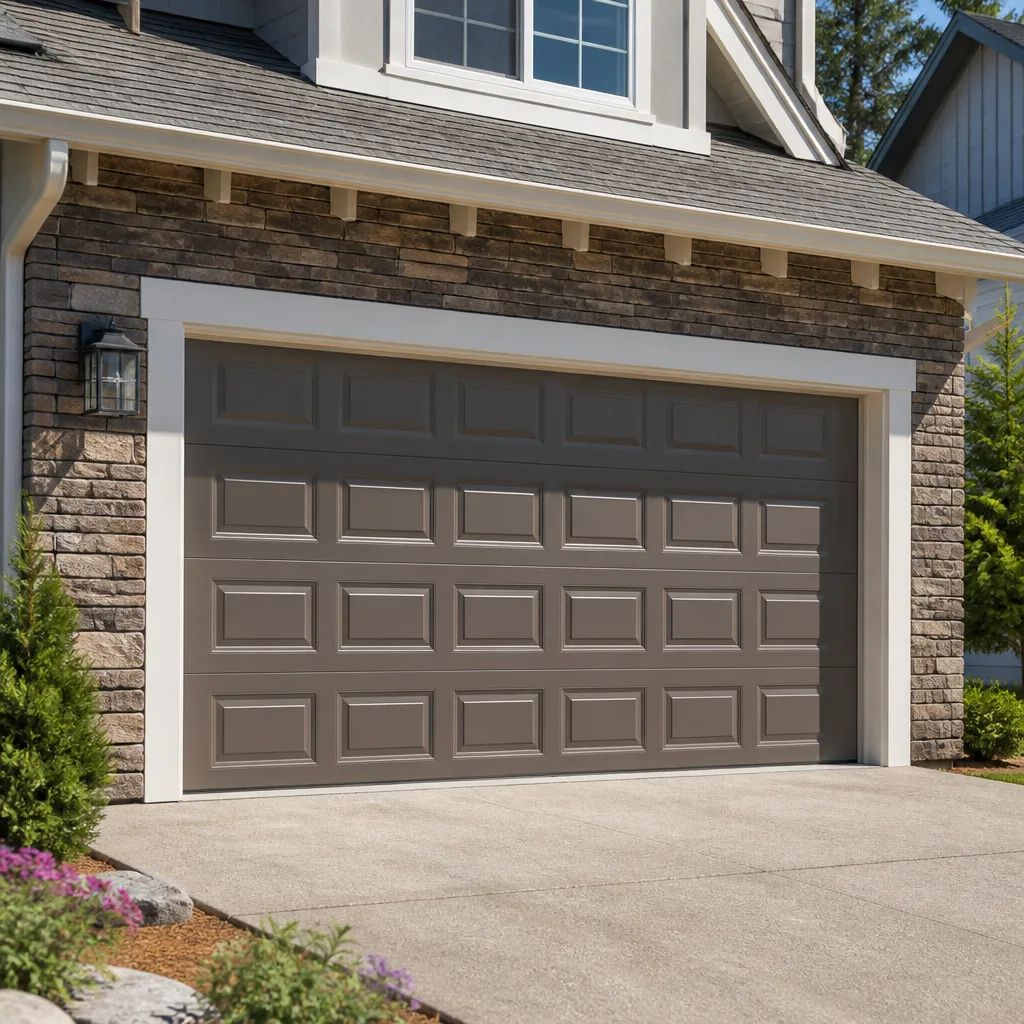
 Raised-panel steel
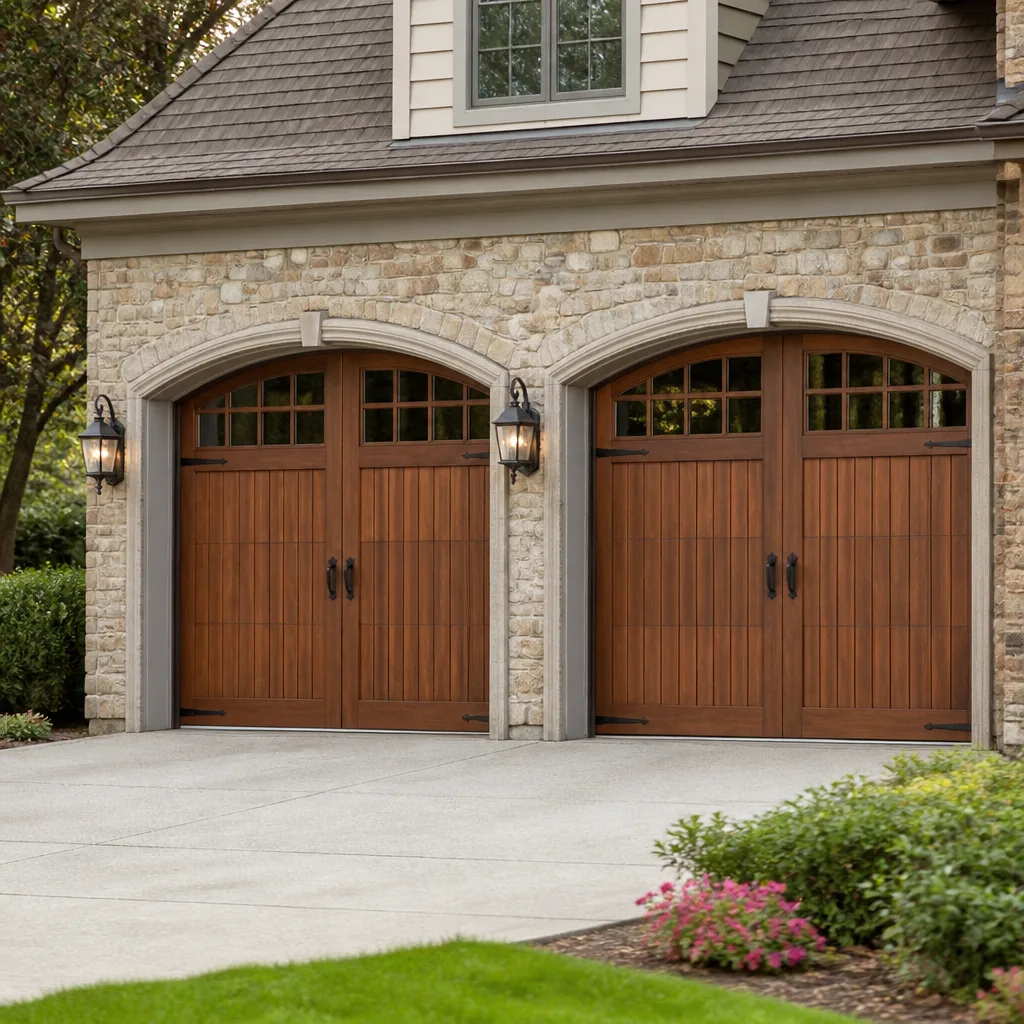 Carriage house
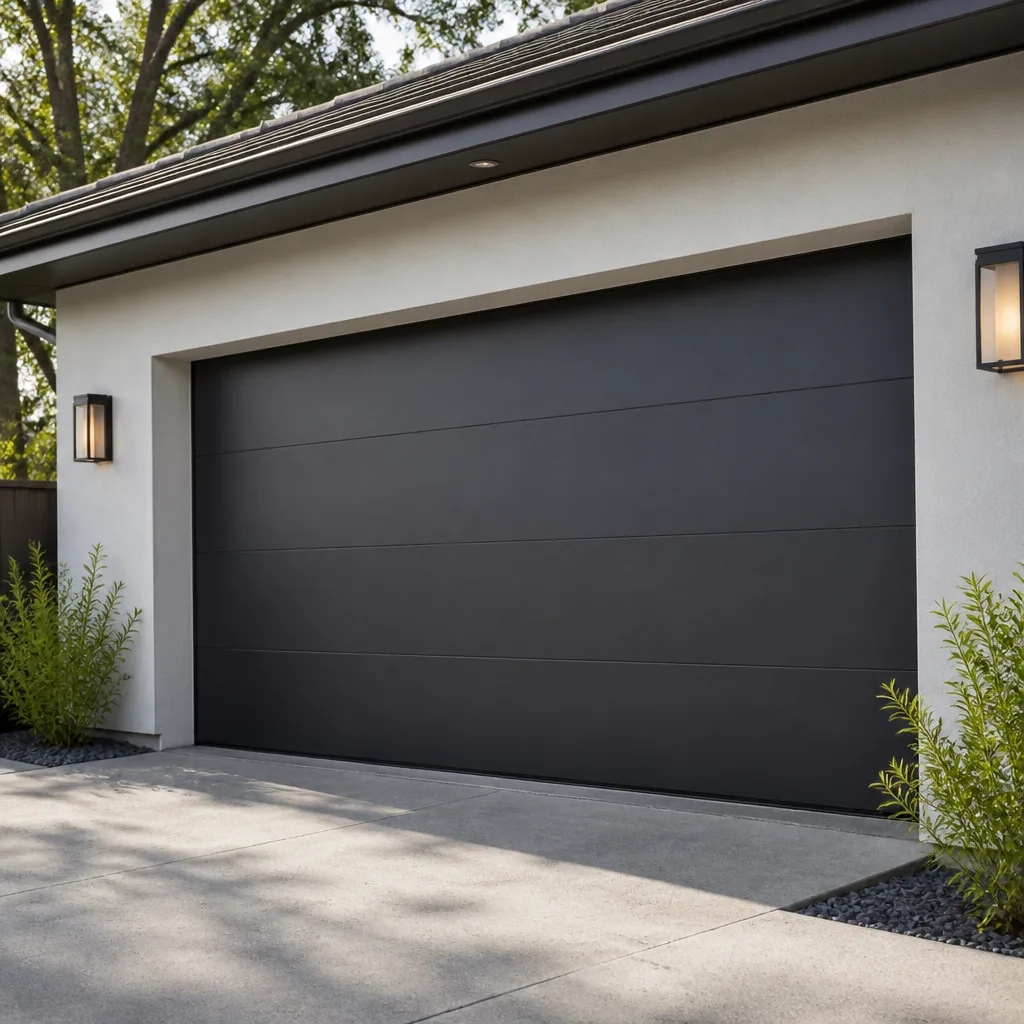 Modern flush
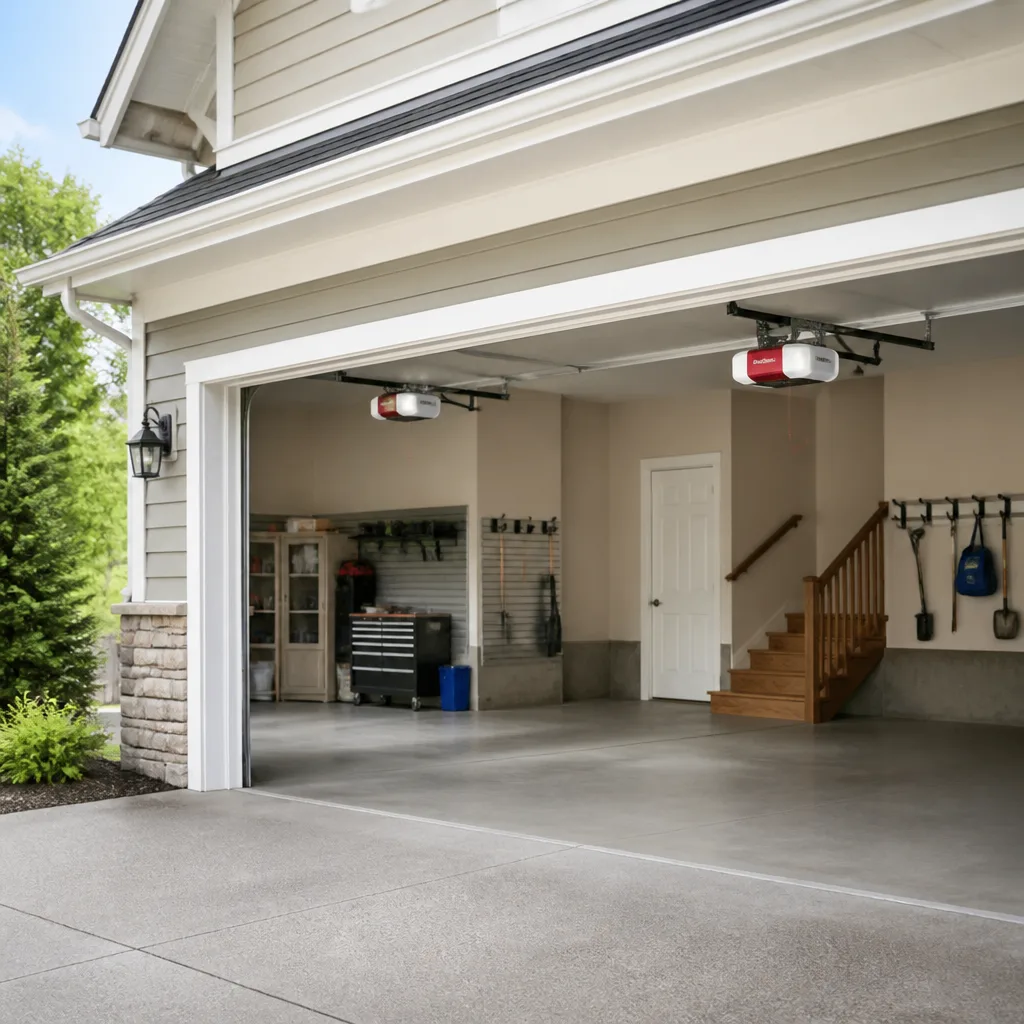 LiftMaster openers
 Chamberlain openers
Full 25-point door and opener safety check with every visit - springs, cables, rollers, tracks, and your LiftMaster or Chamberlain opener included
You get a price before we start. It does not change when the truck arrives.
Get your free estimateWayne Dalton Cable & Drum Replacement: The Austin Owner’s Guide
If you have a Wayne Dalton garage door and the cable has snapped, frayed, or jumped off the drum, you need a cable and drum replacement matched to your door’s specific series, not a universal part forced to fit. In Austin, a Wayne Dalton cable and drum replacement typically runs $130 – $250 installed when both sides are done together, and we stock the common Wayne Dalton cables and drums on our trucks for same-day service across most of the metro. You’ll usually notice the problem before you see it: a loud bang when a cable snaps, one side of the door sagging as it opens, or the door jamming halfway up while the motor strains. The cable is the steel lifeline that does the actual raising alongside your springs, and the drum is the grooved spool above the door that the cable wraps around. When either fails, the door is not safe to operate, even if it still moves a little.
Signs Your Wayne Dalton Cable & Drum Replacement Is Failing
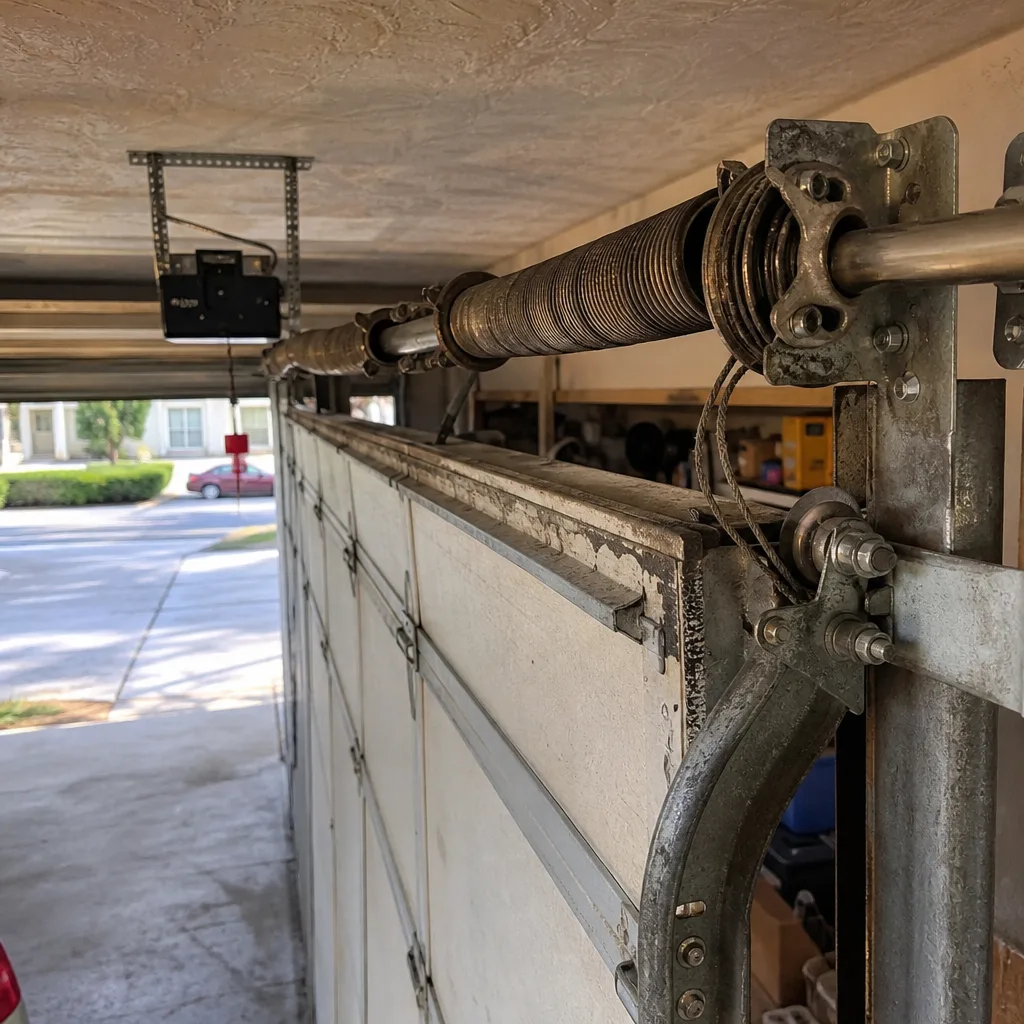
- Frayed or unraveling cable strands near the bottom bracket. Wayne Dalton doors attach the cable end to a bracket at the bottom corner of the door. Austin’s heat and humidity accelerate corrosion where that steel cable meets the bracket, and once individual strands start separating, the cable is days or weeks from snapping under load.
- The door hangs uneven or rises crooked. If one cable has stretched or begun pulling out of its drum groove, that side doesn’t lift at the same rate as the other. You’ll see the door tilt as it climbs, and the opener will work harder trying to compensate.
- A cable has slipped off the drum and is wrapped around the torsion shaft. This happens when a drum set screw loosens or the cable loses tension. The loose cable wraps around the shaft like fishing line, and continuing to run the opener chews into both the cable and the shaft bearing.
- Grinding or scraping noise from the upper corners. When the drum groove wears or the cable rides up onto the drum flange, the steel-on-steel contact sounds like a finger running on a washboard. By the time you hear it audibly in the garage, the drum and cable are both scored and need replacement together.
- The bottom bracket is bent or pulling away from the door section. On Wayne Dalton doors with a roll-formed bottom section, a corroded or seized cable can torque the bracket until it deforms. This is the most expensive version of the failure, because the bracket and the door section itself may need reinforcing before new cables go on.
Styles & brands we work with
Which Wayne Dalton Models This Applies To
Wayne Dalton has used a few different cable and drum configurations over the years, and they are not interchangeable. The 9100 and 9600 series, the most common residential lines we see in Austin built homes from the 1990s through the 2010s, use a torsion system with tapered drums and 1/8-inch aircraft-grade cable. The TorqueMaster series, which hides the spring inside a tube above the door, uses a flat-profile drum and shorter cable length than a standard torsion setup. If you look at the label on the end stile of your door, you’ll find the series name and, usually, the door’s height and weight rating that determine cable length and drum diameter. When we do a Wayne Dalton cable and drum replacement, we don’t guess: we confirm the series, measure the drum cone, and match the replacement to the door rather than slapping a generic 7-foot cable set on and hoping. OEM Wayne Dalton parts are available for most current production doors, but for older or discontinued lines, a properly spec’d equivalent from a supplier like Action Industries or SSC does the job without compromise. The real gotcha is the drum profile. Wayne Dalton uses a specific taper on many of their residential drums, and a universal drum with the wrong groove pitch will cause the cable to stack unevenly and eventually derail.
Why Wayne Dalton Cables Fail Faster in Austin
We work on doors all over the Austin area, from Crestview to Mueller to Circle C, and the failure pattern is remarkably consistent. It’s not the door’s fault. It’s the combination of heat, humidity, and the hard water we all live with, which accelerates oxidation on bare steel cable. Wayne Dalton’s residential cable is high-tensile and well-made, but it has a galvanized coating that eventually sacrifices itself, especially in garages that aren’t climate controlled. We routinely replace cables on doors that are 8 to 12 years old, where the spring is still fine, but the cable gave out first. The other Austin-specific factor is thermal expansion. A steel garage door bakes in 100-degree sun all day, then cools at night, and the repeated expansion and contraction works the cable back and forth against the drum edge. That micro-movement is enough to start fraying at the drum contact point, which is exactly where most Wayne Dalton cables we replace show their first broken strands.
See the difference
 Before
 After
After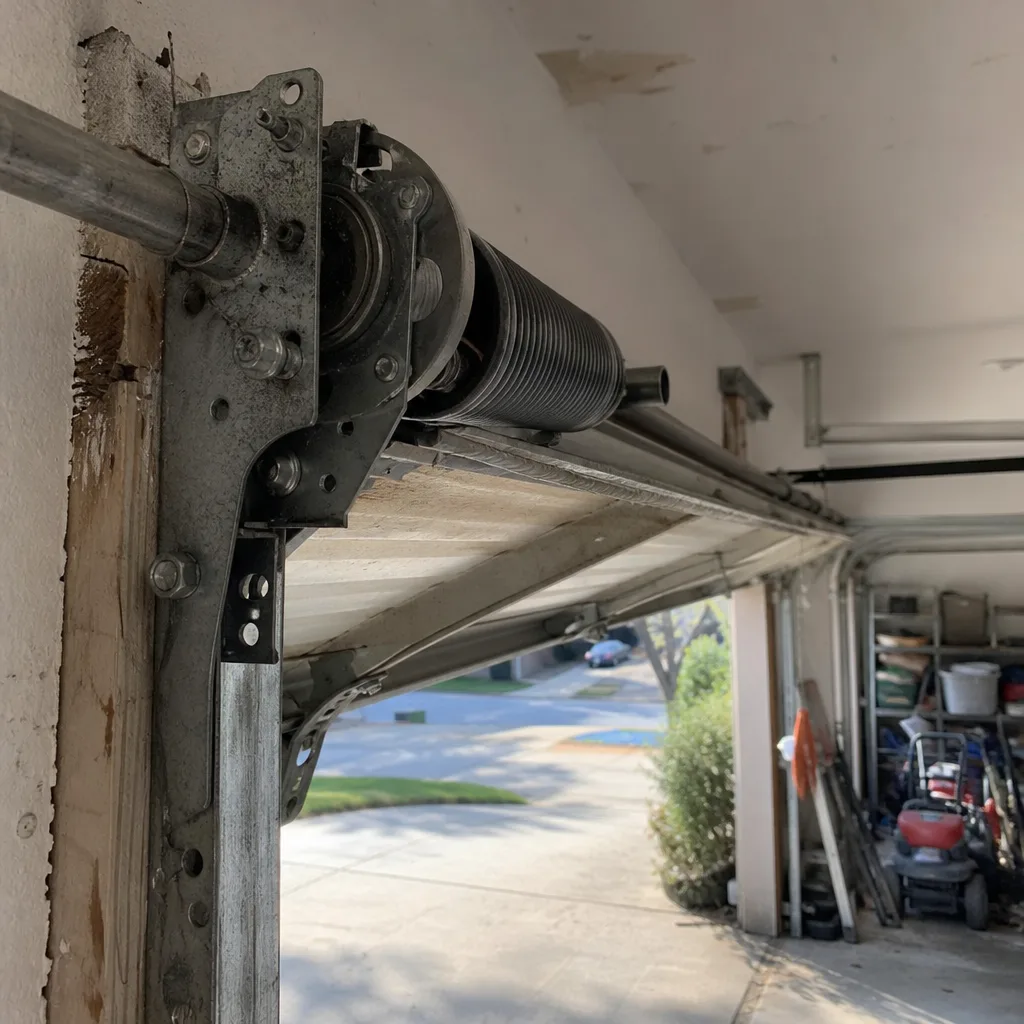 Before
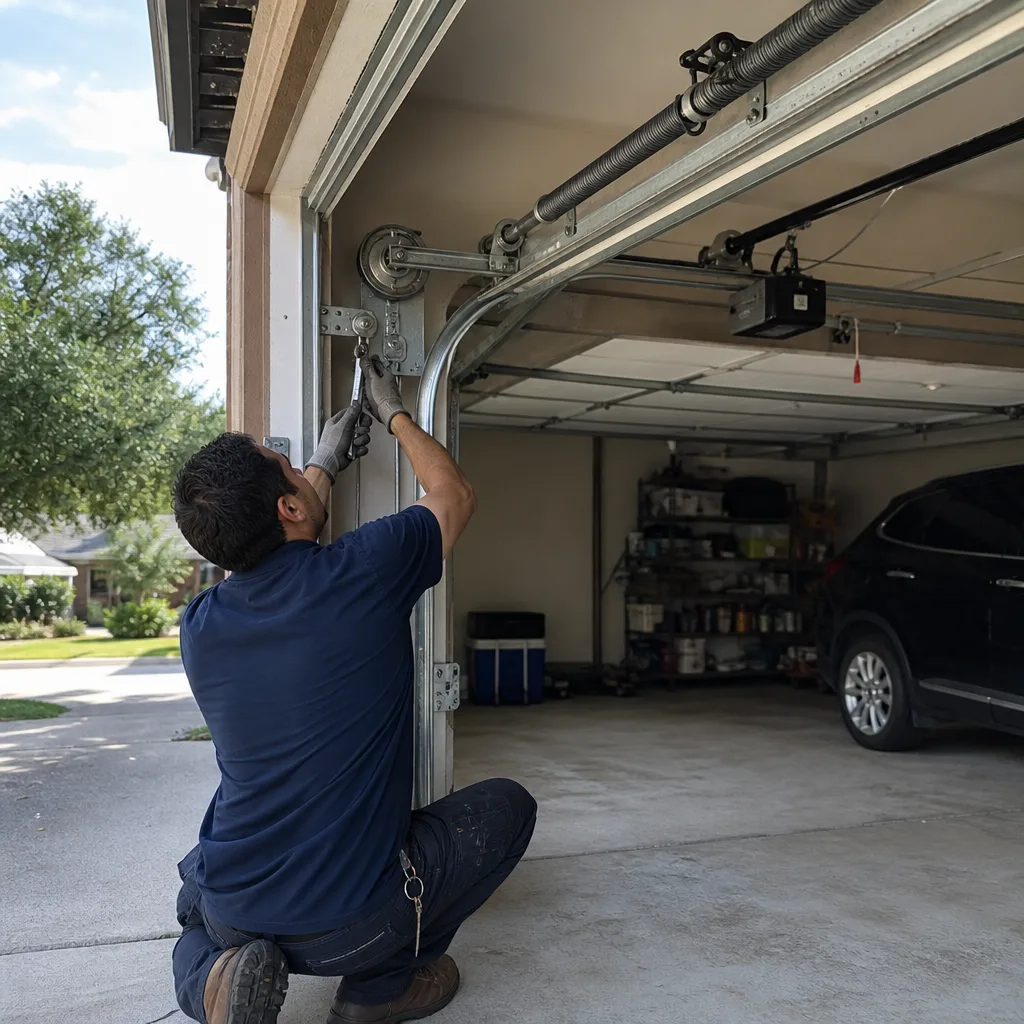 After
After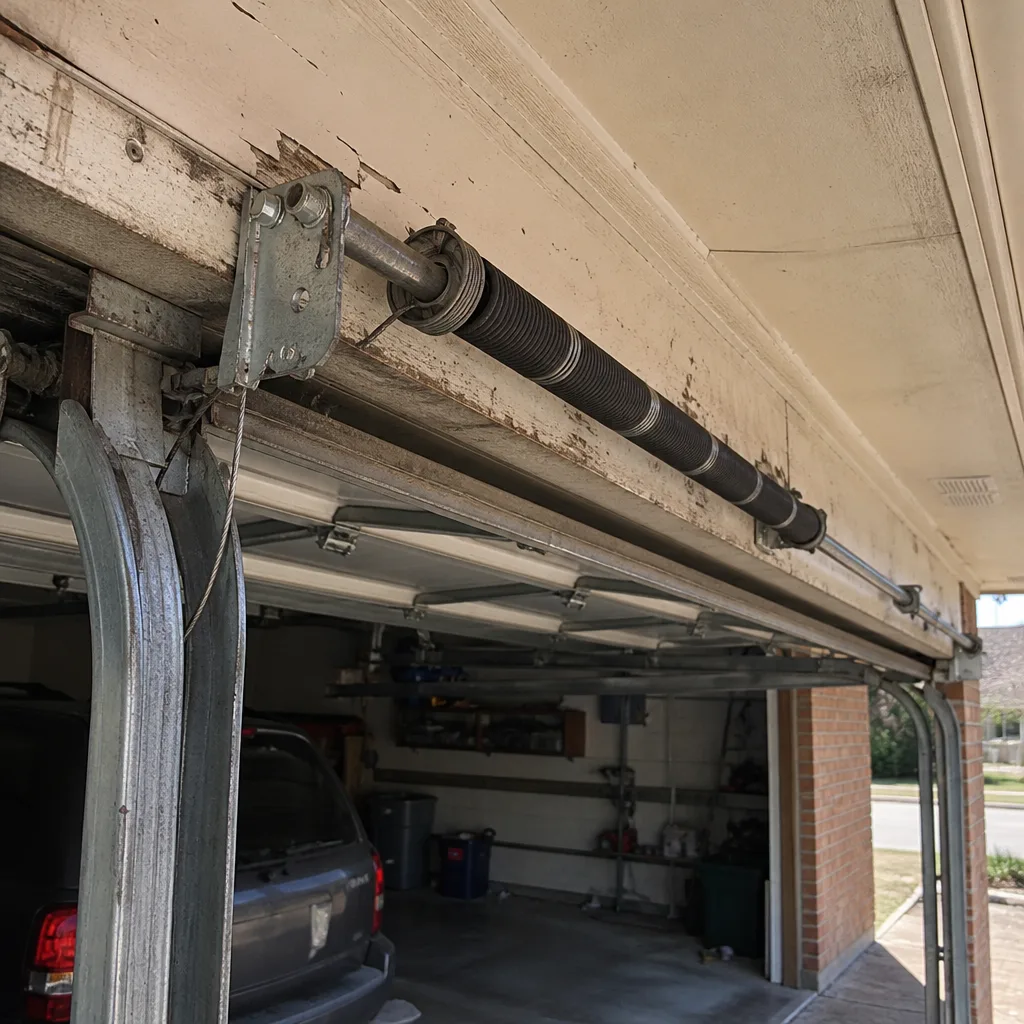 Before
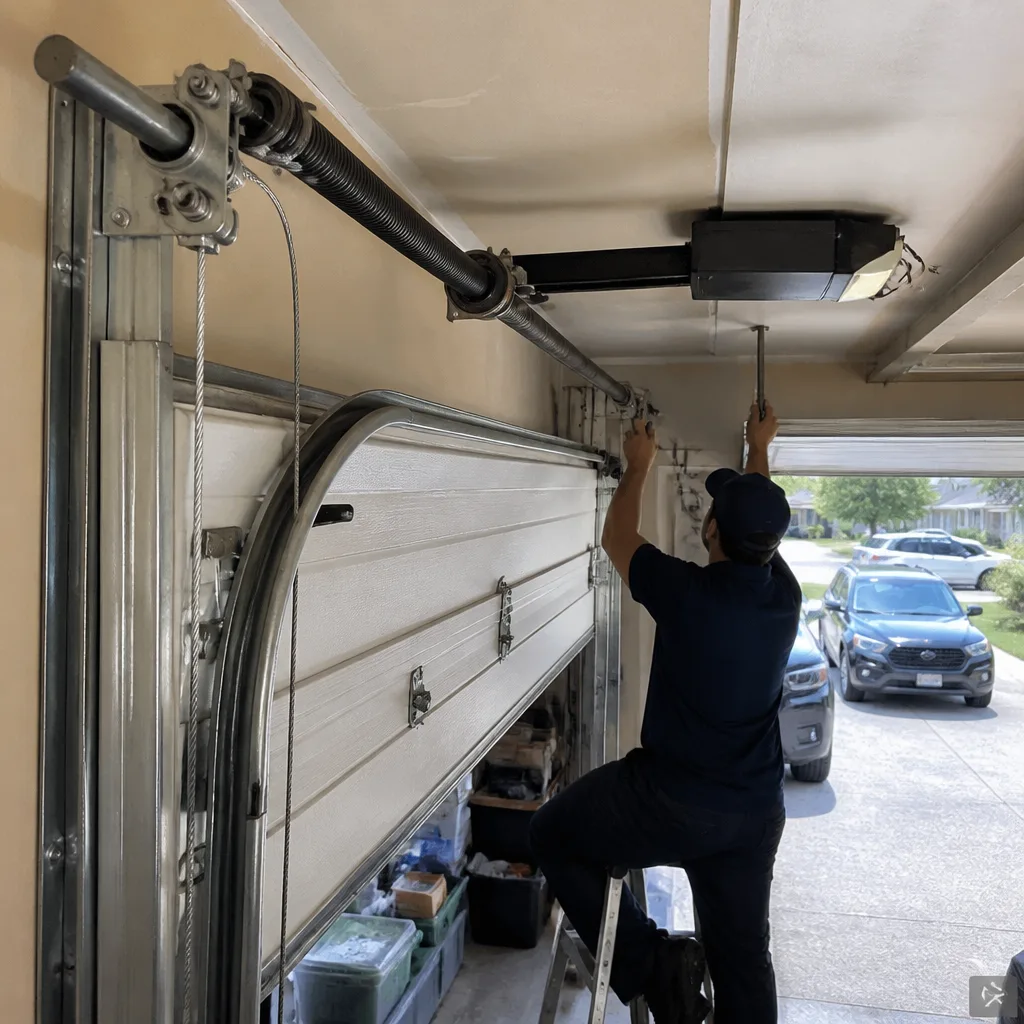 After
AfterReplacement Cost & What’s Included
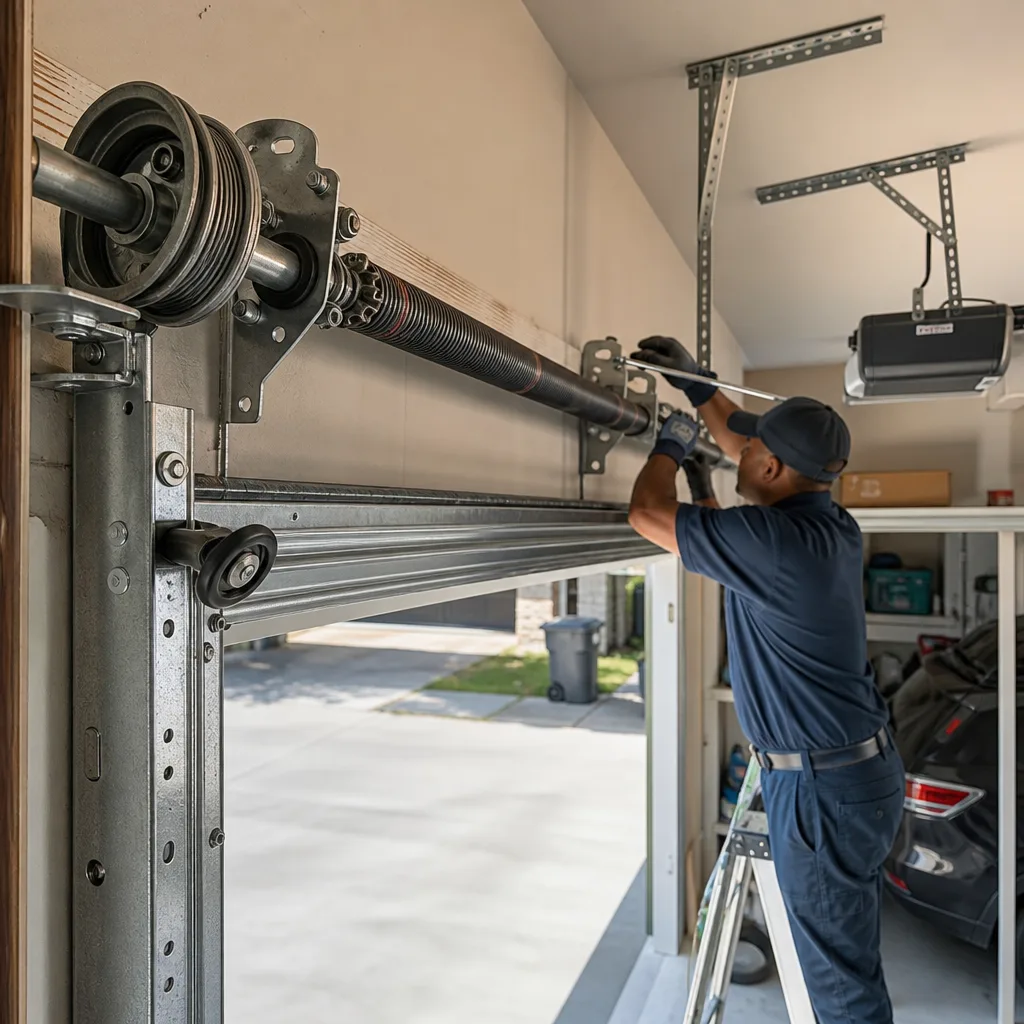
A Wayne Dalton cable and drum replacement in Austin lands in the $130 – $250 range when we’re replacing both cables and both drums on a standard single or double door. Replacing only one side costs less, but we’ll tell you plainly: a single-side replacement on a door that’s been running for a decade means the other cable is the same age and has been through the same heat and humidity. We always price both sides and let you decide. The range is driven by a few things: door height and weight, whether you need TorqueMaster or standard torsion drums, and whether the bottom brackets are still sound or need replacement at the same time. What you get for that price is this: the right parts matched to your series, both cables run and tensioned, both drums seated and set-screwed, the door balanced so it holds mid-travel, and lubrication on the moving surfaces. The price is written down and handed to you before we touch the door, and it covers labor and parts together. Every repair also carries our 365-Day Done Right Promise: if the cable or drum fails within 365 days of the repair, we come back and make it right at no charge, no argument.
DIY or Call Us?
I’ll be straight with you: this is not a DIY job. The cable on a Wayne Dalton door is under load from the torsion spring, which is the large coil mounted above the door, and even a partially energized spring stores enough force to break a hand or worse if the cable releases while your fingers are near the drum. What you can safely check without touching the door: look at the exposed cable span between the drum and the bottom bracket for broken strands, look for the cable sitting out of its groove on the drum, and check whether the door moves if you pull the red release handle and try to lift it manually. If it’s heavy, that’s a spring problem, not a cable problem, and you should stop and call. When we come out, the technician actually unwinds the spring before touching the cable, because that’s the only way to work on the drum safely. Aaron Teague has said it in enough garages now that it’s become a kind of house rule: know what’s broken, know what it costs, know who’s coming, that’s the whole job. Call (361) 470-4316 and we’ll tell you up front whether it’s a cable, a drum, a spring, or a bracket, and what the replacement will run.
FAQs
In Austin’s climate, a Wayne Dalton cable and drum set on a typical residential door lasts 8 to 12 years before the cable begins to fray or the drum groove wears enough to affect smooth operation. Doors that are opened and closed more than four cycles a day, common for homeowners who park in the garage and commute, will trend toward the shorter end. A visual check during your annual garage door service catches it before it snaps.
No. Once the individual steel strands on a Wayne Dalton cable begin to separate, the cable’s load rating drops significantly and no splice or wrap is safe under torsion spring tension. Replacement is the only correct repair, and it’s usually faster than trying to patch something that will fail again. Call (361) 470-4316 for an exact quote; estimates are free.
A standard Wayne Dalton cable and drum replacement on both sides takes 60 to 90 minutes once the door is inspected and the spring is unwound. If the torsion spring also needs replacement, which is common when the cable failure was caused by a spring that lost tension, the full job is usually two hours or less.
Yes. Our Austin service trucks carry the common Wayne Dalton cable lengths, drum profiles, and bottom brackets for the 9100, 9600, and TorqueMaster lines, plus equivalent parts for LiftMaster and Chamberlain opener systems and Genie cross-compatible hardware. If your door is a less common series, we can typically have the correct part the same day from our local supplier network.
Written by Aaron Teague, Owner, Doyle Garage Doors Austin at Doyle Garage Doors Austin, serving Austin and nearby areas.