
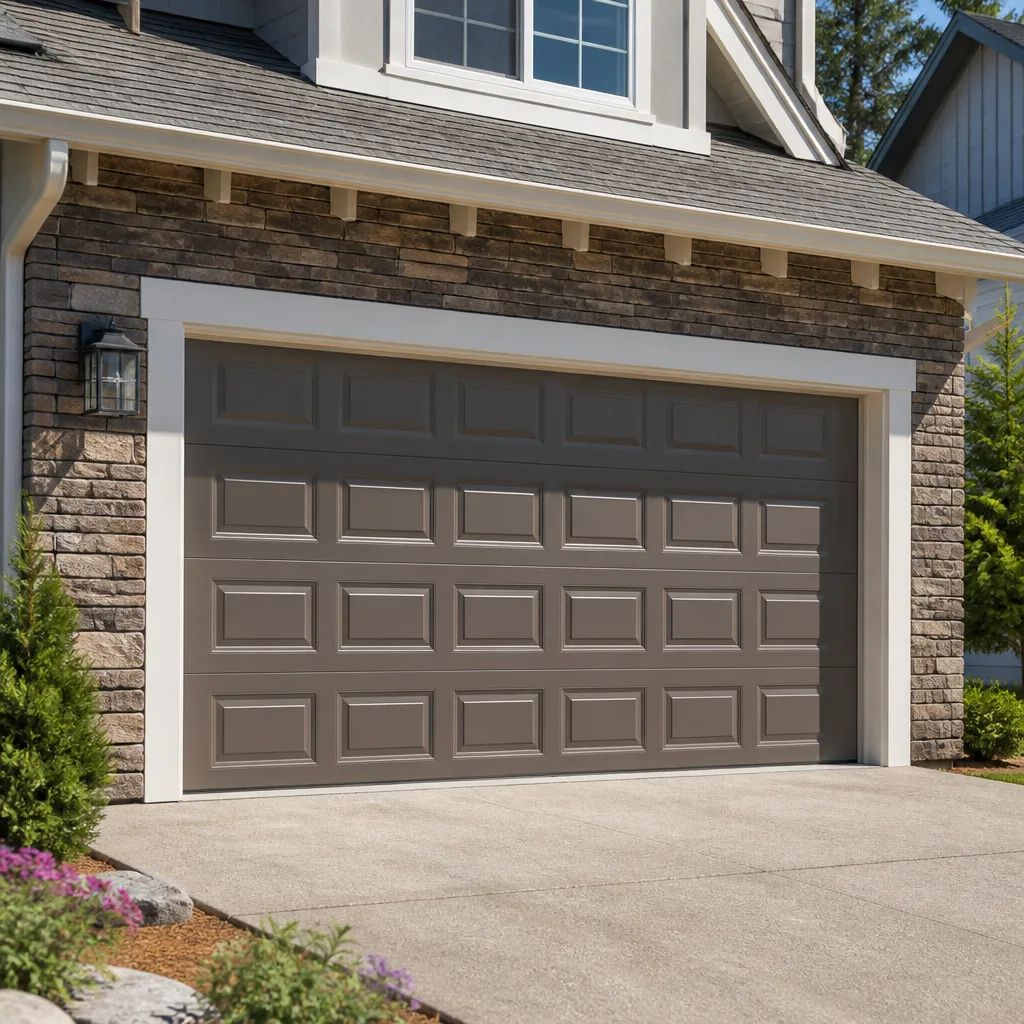
 Raised-panel steel
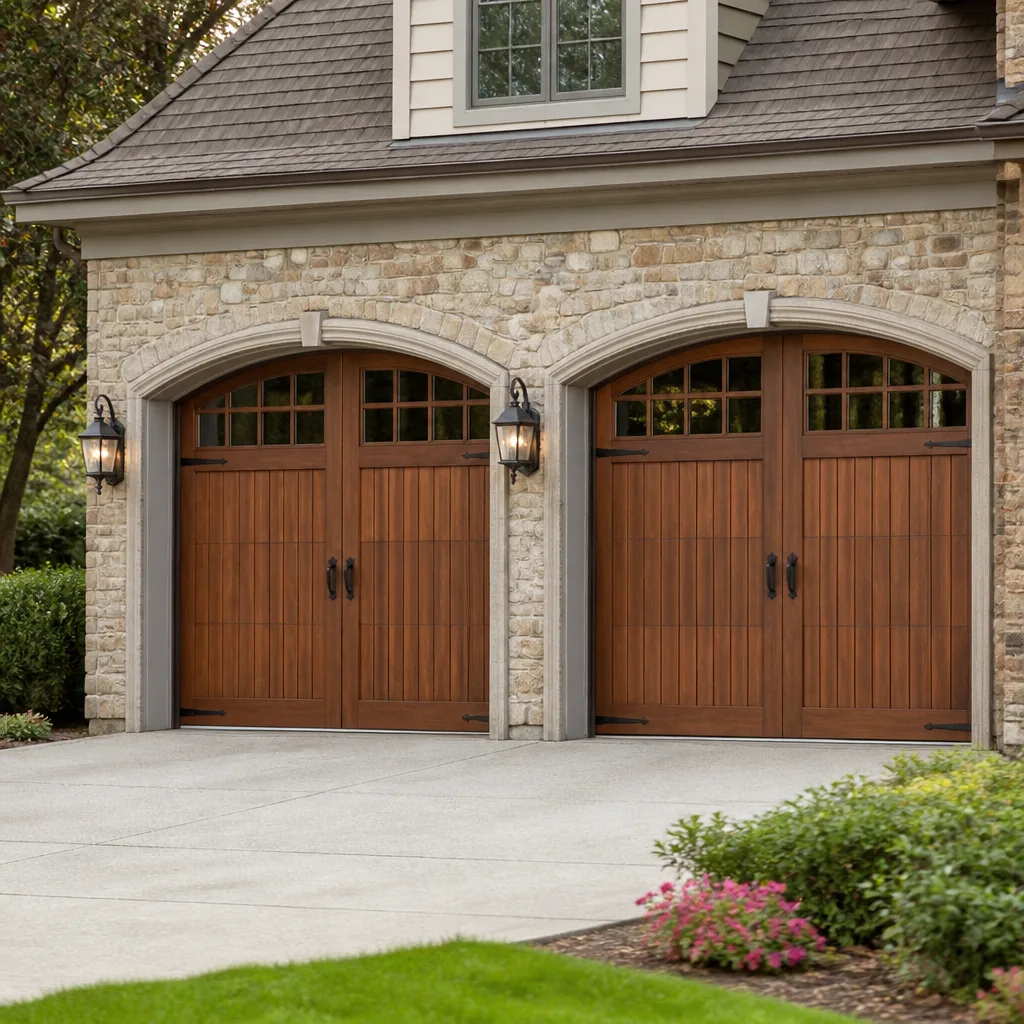 Carriage house
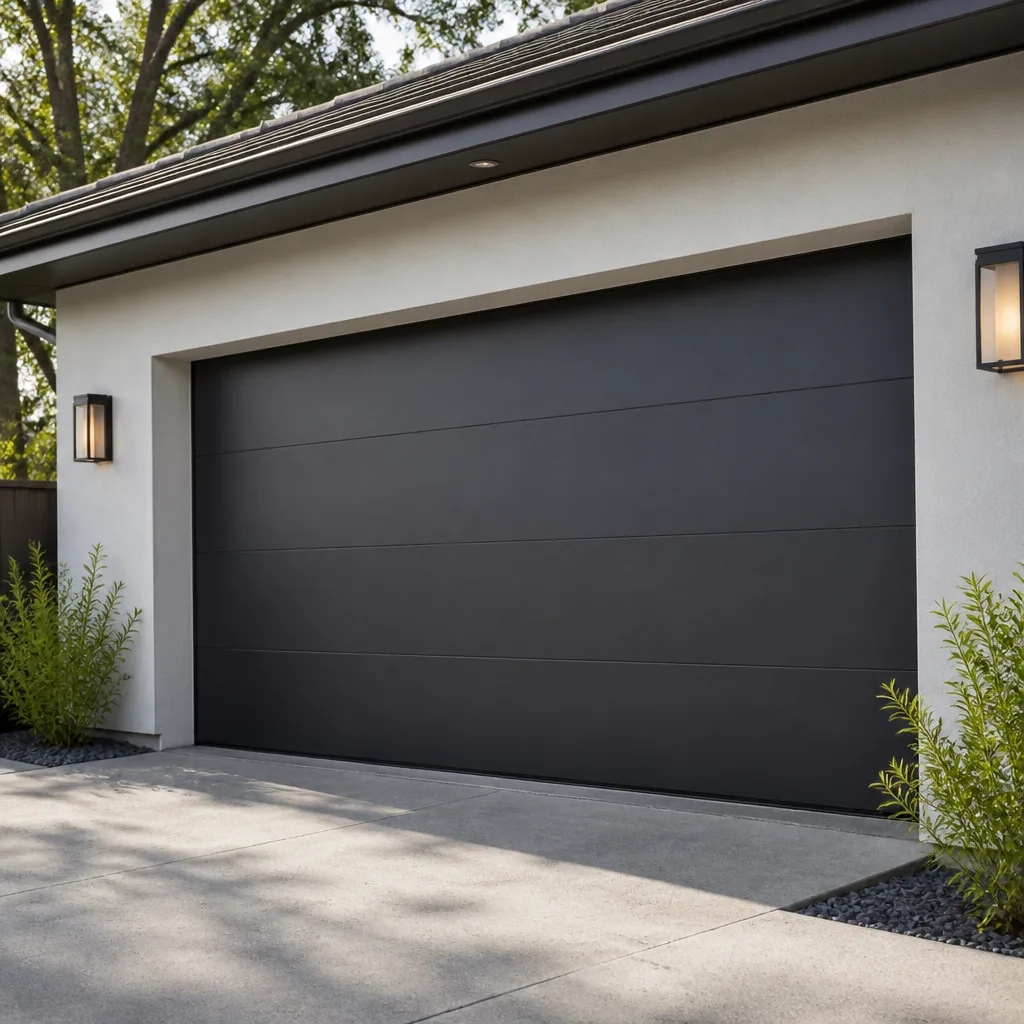 Modern flush
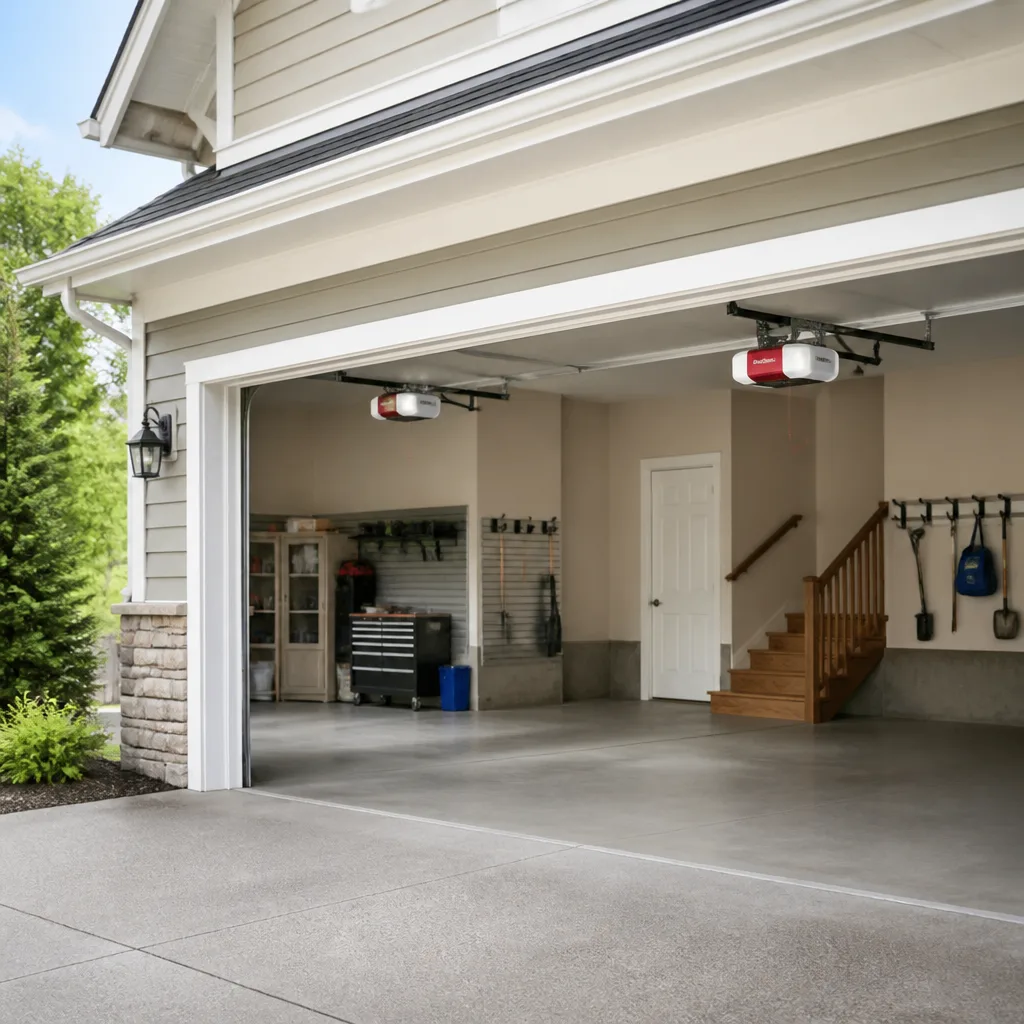 LiftMaster openers
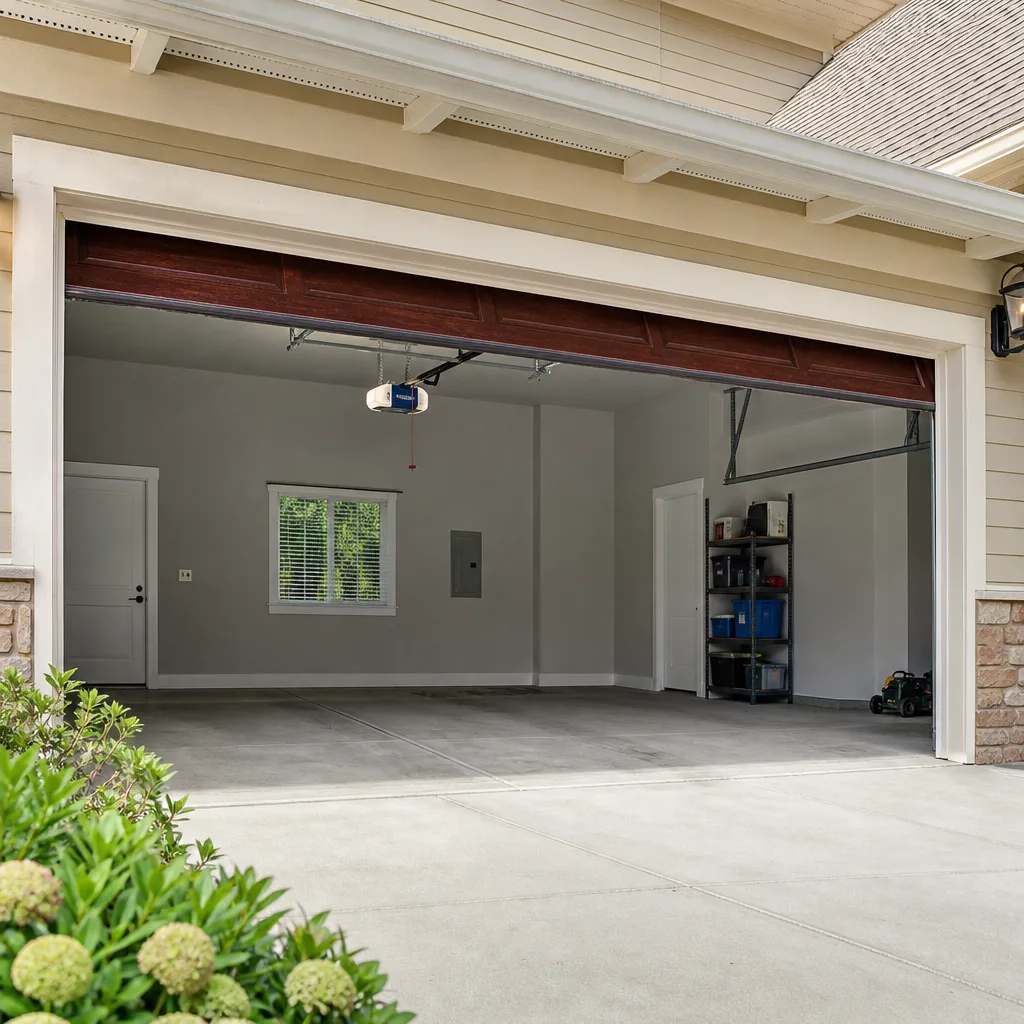 Chamberlain openers
Full 25-point door and opener safety check with every visit - springs, cables, rollers, tracks, and your LiftMaster or Chamberlain opener included
You get a price before we start. It does not change when the truck arrives.
Get your free estimateRaynor Weather Seal Replacement: The Austin Owner’s Guide
We stock and install Raynor-compatible weather seal replacement across Austin, with most jobs running $85 to $180 installed and finished the same day we come out. That’s the part, the labor, and a written guarantee before we touch anything. You usually discover this part has failed the same way every Austin homeowner does: a strip of black rubber hanging loose under the door, a line of daylight showing at the bottom, or a puddle that wasn’t there before the last thunderstorm rolled through.
The bottom weather seal, sometimes called an astragal, is the rubber strip that runs along the bottom edge of your Raynor door. When it’s doing its job, you never think about it. When it’s not, water, dirt, leaves, bugs, and every degree of Texas heat or cold find their way in. Aaron Teague, our owner, has pulled seals off Raynor doors that were older than half the trucks in the lot. It’s a small part with a big job, and replacing it correctly matters more than most people expect.
Which Raynor Models This Applies To
Raynor has built residential doors in a few distinct families over the years: the Aspen and GrandMark steel lines, the TimberBark and Symphony wood-look collections, and commercial-focused models like the Raynor ControlHoist for warehouses. The bottom seal differs between them, mostly in the T-channel or U-channel profile that slides into the aluminum retainer on the bottom panel. Some Raynor doors use a round bulb seal; others use a T-style seal with a wider flat base.
Here’s the gotcha we run into regularly in Austin: the retainer channel size isn’t universal, even within Raynor’s own lineup. A seal meant for a GrandMark series door won’t seat properly in an Aspen retainer. You either match the original seal by profile and width, or you replace the retainer too. We carry both OEM Raynor seals and quality aftermarket equivalents on the truck, and if your retainer is dented or corroded, the smarter move is replacing it at the same time. An independent shop like ours isn’t affiliated with Raynor directly, but we’ve installed enough of their doors to know exactly which seal each model takes.
If you can read the model number off the label on the inside edge of the door panel, we can match the seal before we even show up. If the label’s gone, we measure the retainer channel on site. Either way, the right part goes in the first time.
Styles & brands we work with
Signs Your Raynor Weather Seal Replacement Is Failing
- You can see daylight under the closed door. That’s the simplest test there is. If the seal isn’t touching the floor along the entire width, it’s compressed past the point of doing its job. Austin’s clay-heavy soil shifts with moisture, which means a door that sealed fine in January can have a gap by June.
- Water pools inside the garage after hard rain. Central Texas gets those fast, violent downpours, and a failed seal turns your garage floor into a drainage path. You’ll see water marks on boxes, tools, or drywall within a few storms.
- The rubber is cracked, brittle, or missing chunks. UV exposure and 100-degree summers bake seal rubber until it turns stiff and splits. Once it cracks, it won’t recover. In Austin’s climate, most garage door bottom seals last 3 to 6 years before they need attention.
- Leaves, dirt, or insects are getting in at the base. A seal that’s lost its spring leaves a gap wide enough for crickets, roaches, and every leaf off the live oaks. If you’re sweeping the garage floor more than the driveway, check the bottom seal.
- Drafts or temperature swings inside the garage. If the garage feels like an oven in July or a walk-in cooler in February, the seal isn’t separating outside air from inside air anymore. You’ll feel it on the floor first, near the door.
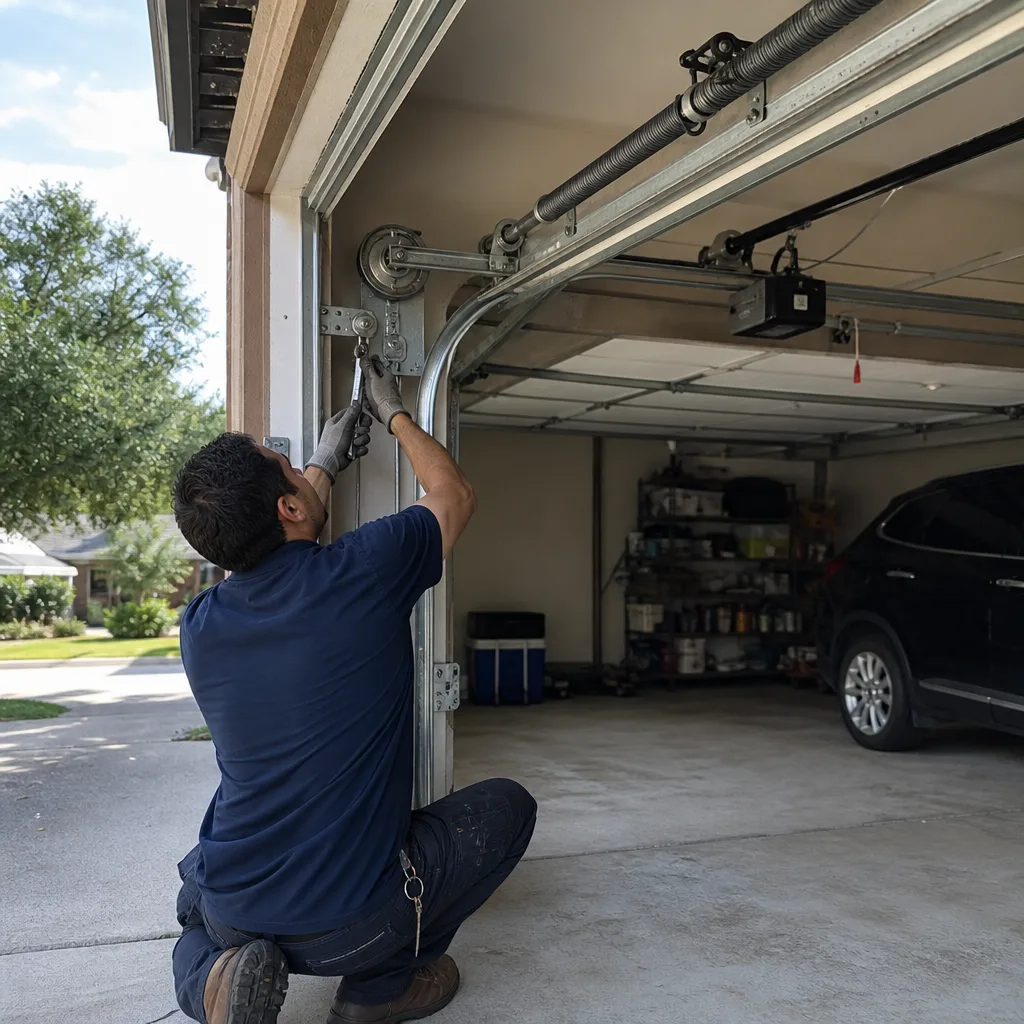
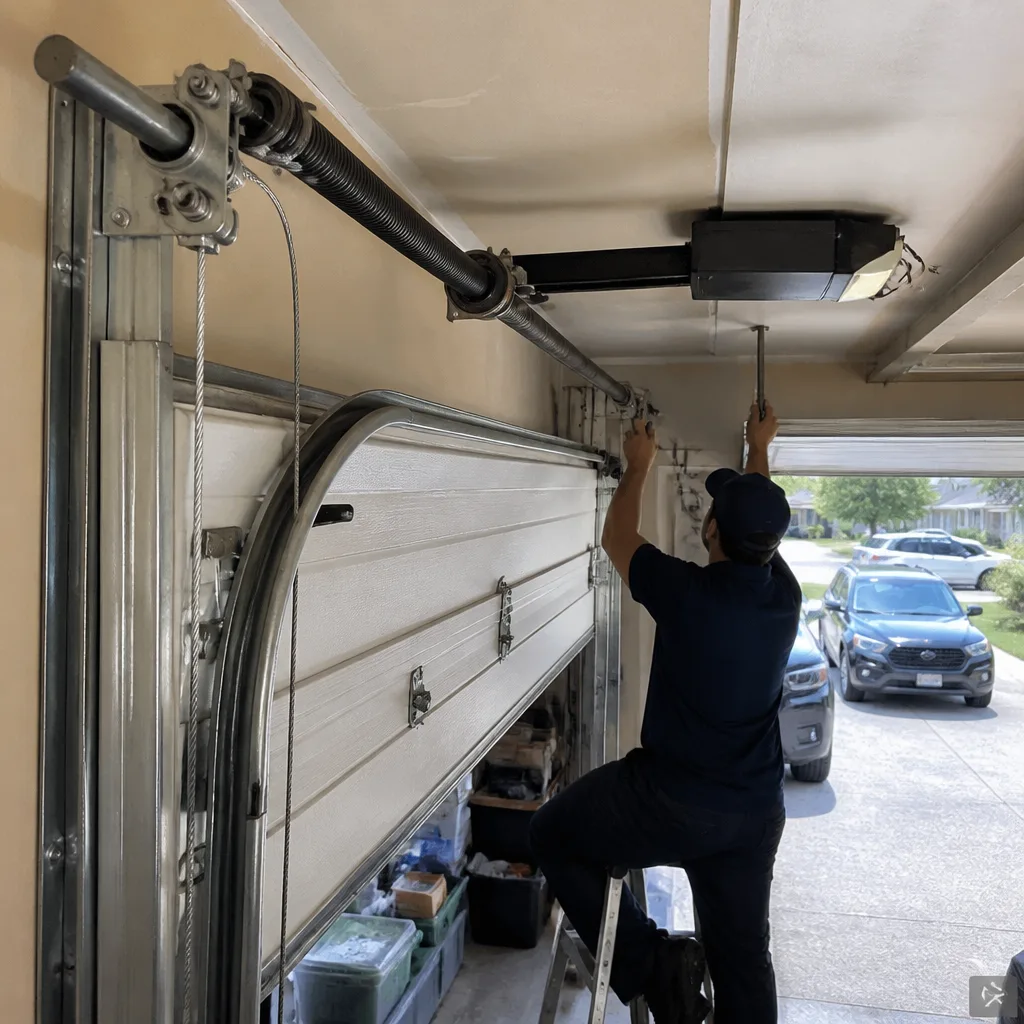
See the difference
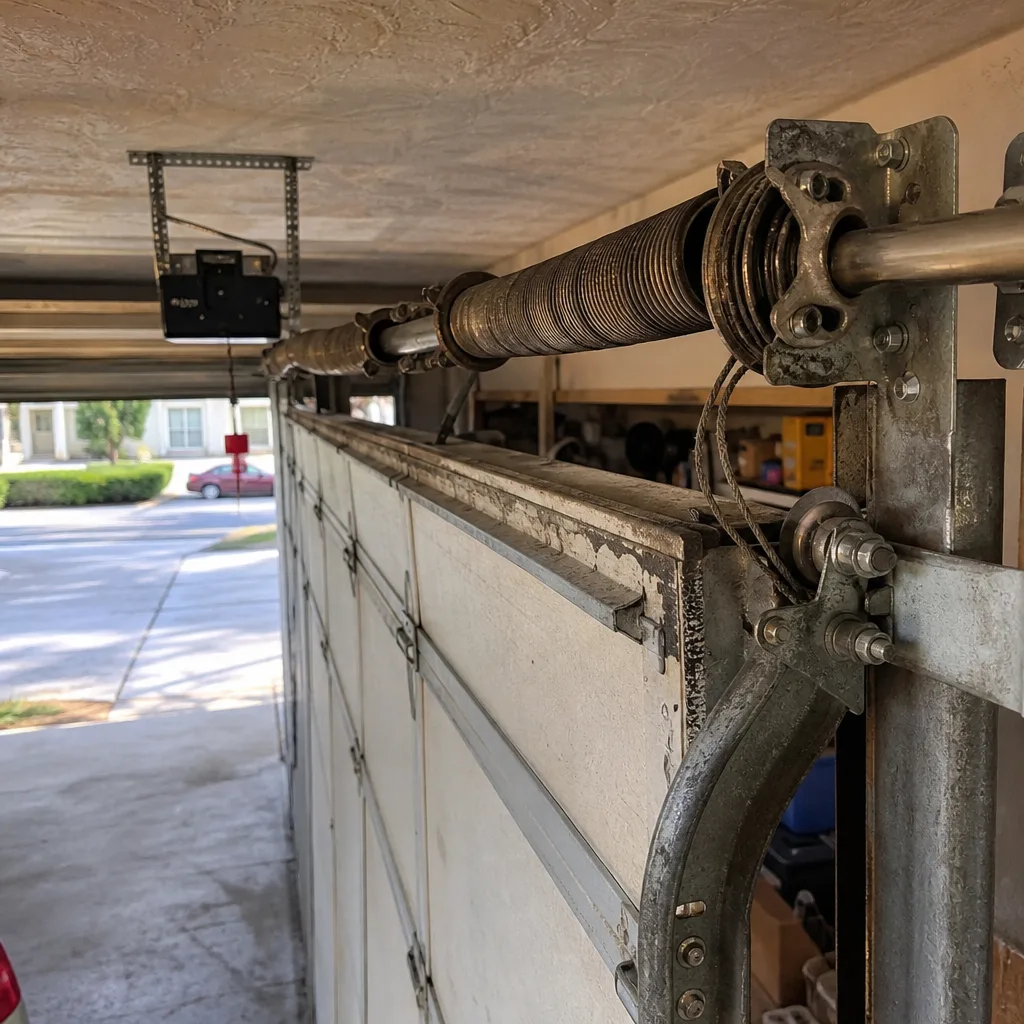 Before
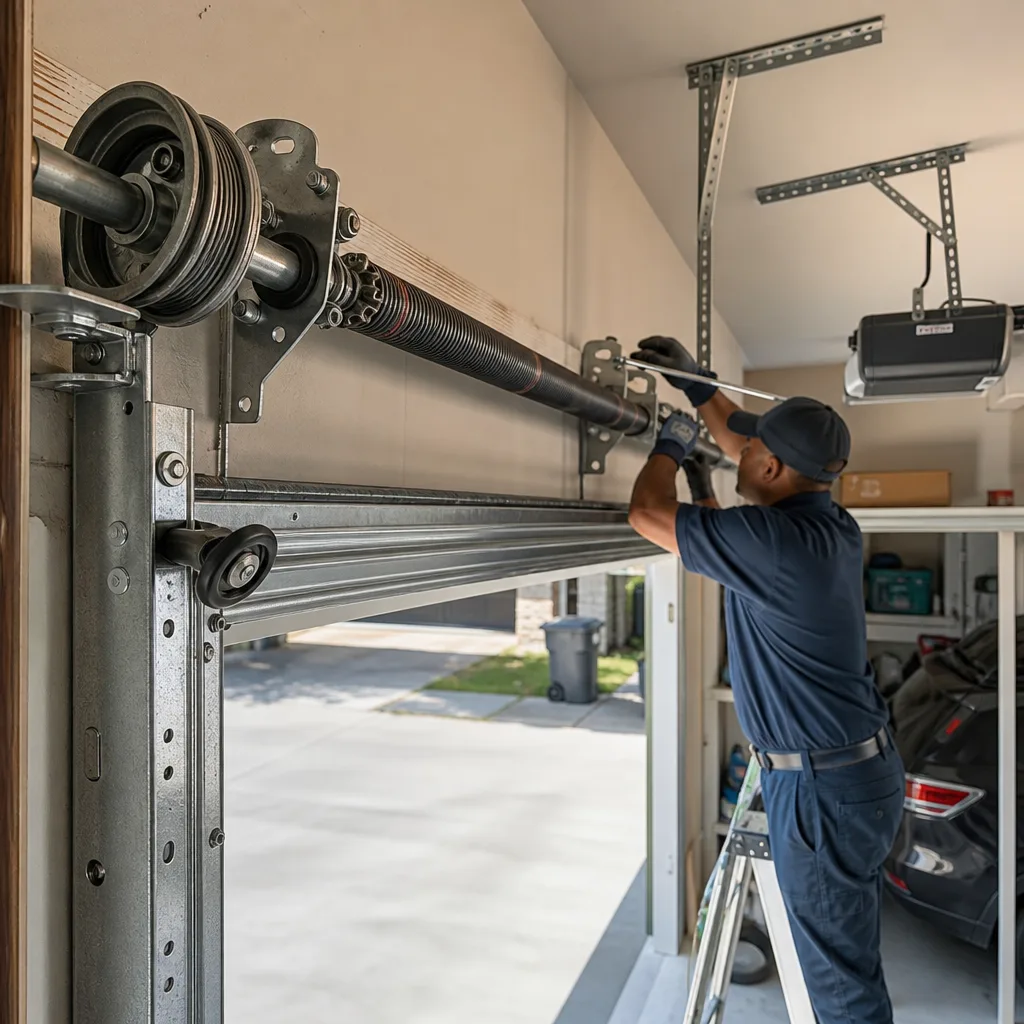 After
After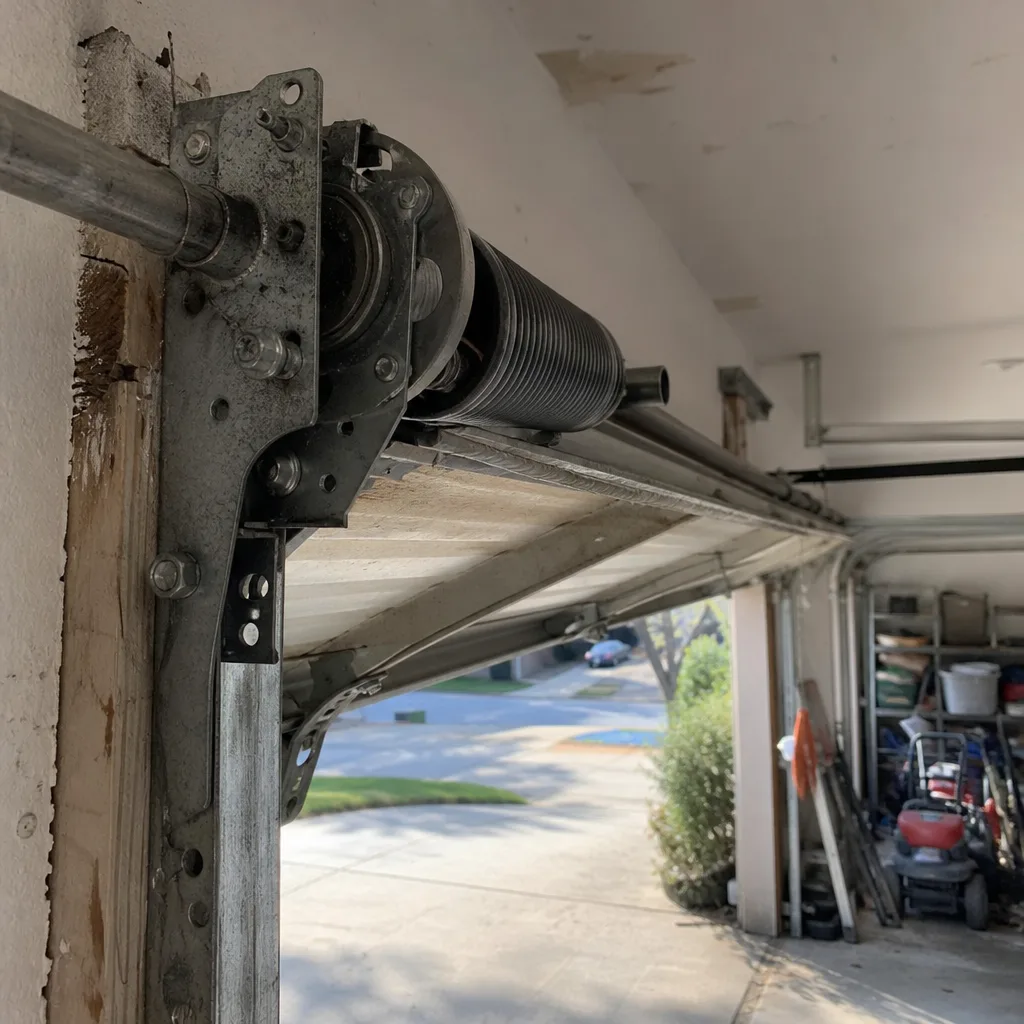 Before
 After
After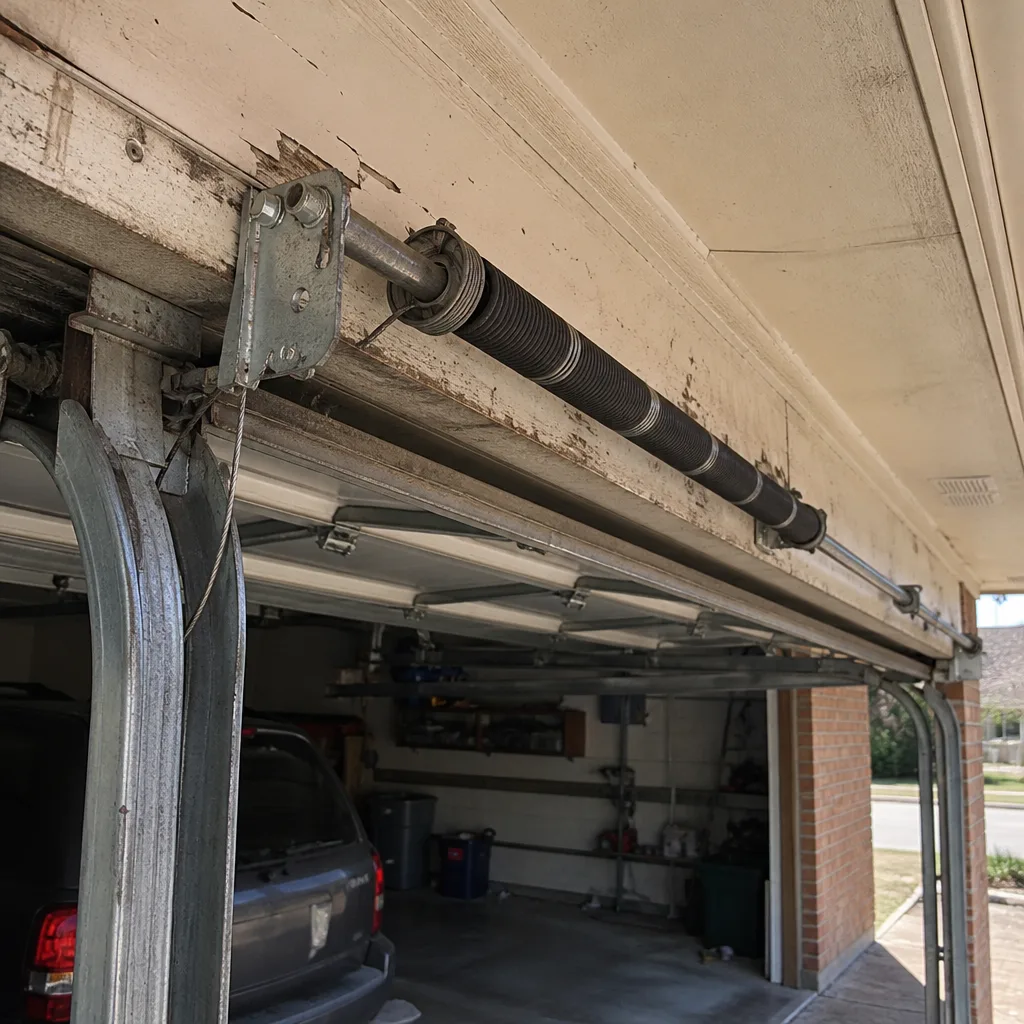 Before
 After
AfterReplacement Cost & What’s Included
Raynor weather seal replacement in Austin runs $85 to $180 installed for most residential doors. On the low end, you’re looking at a straightforward seal swap where the retainer is in good shape. On the higher end, the retainer aluminum is bent or corroded and we’re replacing it along with the seal. The part itself is surprisingly affordable; the cost is mostly our time, the trip to your home, and the fact that we do this repair correctly so you aren’t calling again in six months.
Here’s the transparent breakdown:
- Seal material only: $20 – $45 depending on Raynor profile type
- Installed (seal swap, retainer intact): $85 – $125
- Installed (seal plus retainer replacement): $130 – $180
Every quote we give is written down and handed to you before a single bolt comes off. That’s the number you pay. The work is covered by our 365-Day Done Right Promise: if the seal fails within 365 days of the repair, we come back and make it right at no charge. That’s in writing, too.
DIY or Call Us?
Replacing a bottom weather seal isn’t dangerous the way springs and cables are. You’re working at floor level with no tension involved. If you’re handy and your retainer is in good shape, you can slide out the old seal and slide in a new one. The problem is matching the profile correctly, and that’s where most DIY jobs in Austin stall. Buy the wrong seal profile online and it won’t seat, won’t seal, and you’ve spent $30 and a Saturday to end up with the same gap you started with.
If the door doesn’t close evenly, the retainer is bent, or you’re not sure which seal profile your Raynor takes, let us handle it. We’ll identify the right part, install it, and make sure the door actually seals along the full width before we leave. Know what’s broken, know what it costs, know who’s coming: that’s the whole job. Call (361) 470-4316 and we’ll sort out what your Raynor needs.
FAQs
A Raynor bottom weather seal in Austin typically lasts 3 to 6 years before UV exposure, heat, and moisture degrade the rubber to the point of failure. Doors with full western sun exposure tend to need replacement sooner; shaded doors can stretch a seal to 7 years. If you’re seeing cracks, daylight, or water intrusion, the seal has already done its time. Call (361) 470-4316 for a replacement quote.
No, a cracked or compressed weather seal can’t be repaired. The rubber loses its flexibility at the molecular level once it’s baked and split; patching it with tape or adhesive lasts a few weeks at most before it peels and fails. Replacement is the only fix that actually seals, and it’s the less expensive option over time. We’ll give you an exact price before any work starts.
Most Raynor weather seal replacements take 30 to 60 minutes once our technician arrives. If the retainer needs replacing, add another 30 minutes. We carry the common Raynor seal profiles and retainers on the truck, so in most Austin neighborhoods we complete the job same-day, often in a single visit. Call ahead with your model number and we can confirm the part is on board before we head your way.
Yes, we stock OEM Raynor seals and quality aftermarket equivalents in the most common profiles, including T-style and bulb seals, plus aluminum retainers. We also carry parts for LiftMaster, Chamberlain, and Genie openers. If your Raynor model is older or has an unusual retainer profile, we’ll measure on site and schedule the follow-up within days. Call (361) 470-4316 and tell us your door model, and we’ll tell you exactly what we’re bringing.
Written by Aaron Teague, Owner, Doyle Garage Doors Austin at Doyle Garage Doors Austin, serving Austin and nearby areas.