
Last updated October 16, 2026
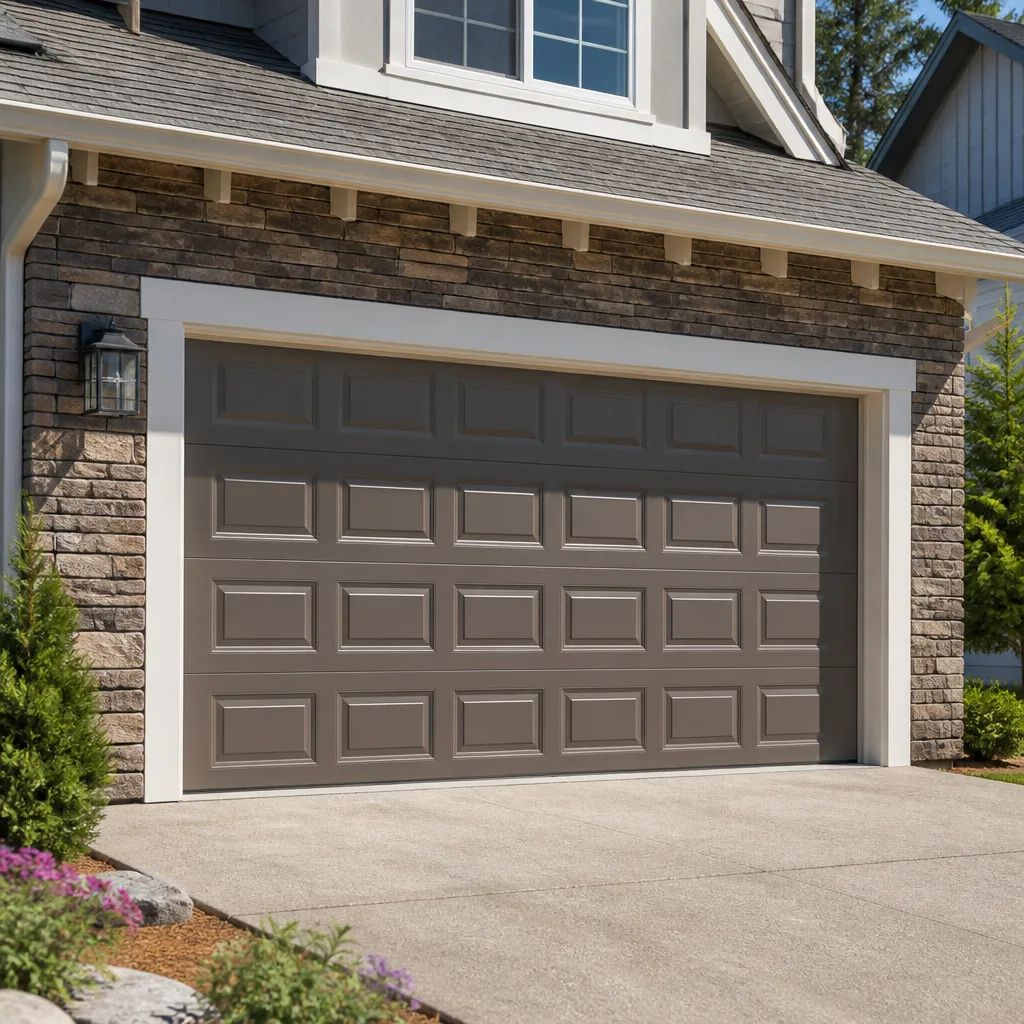 Raised-panel steel
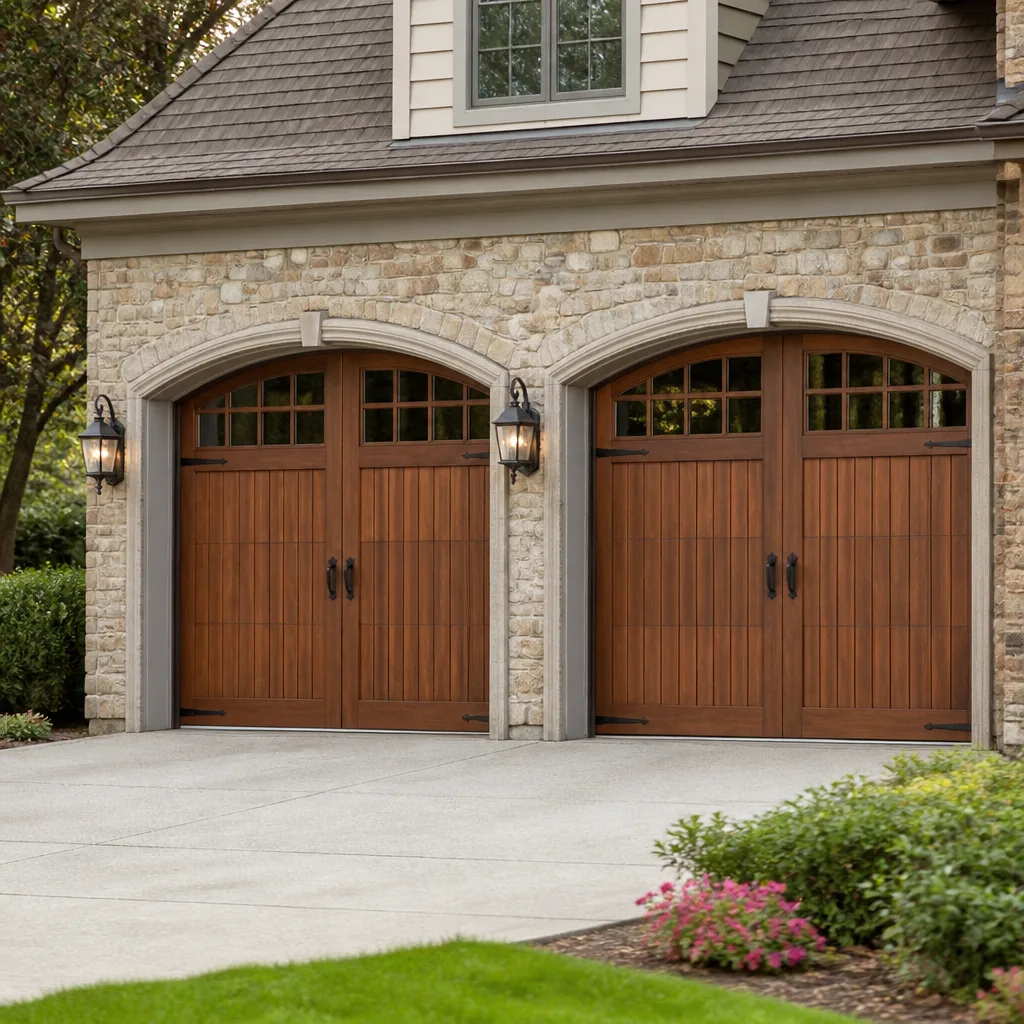 Carriage house
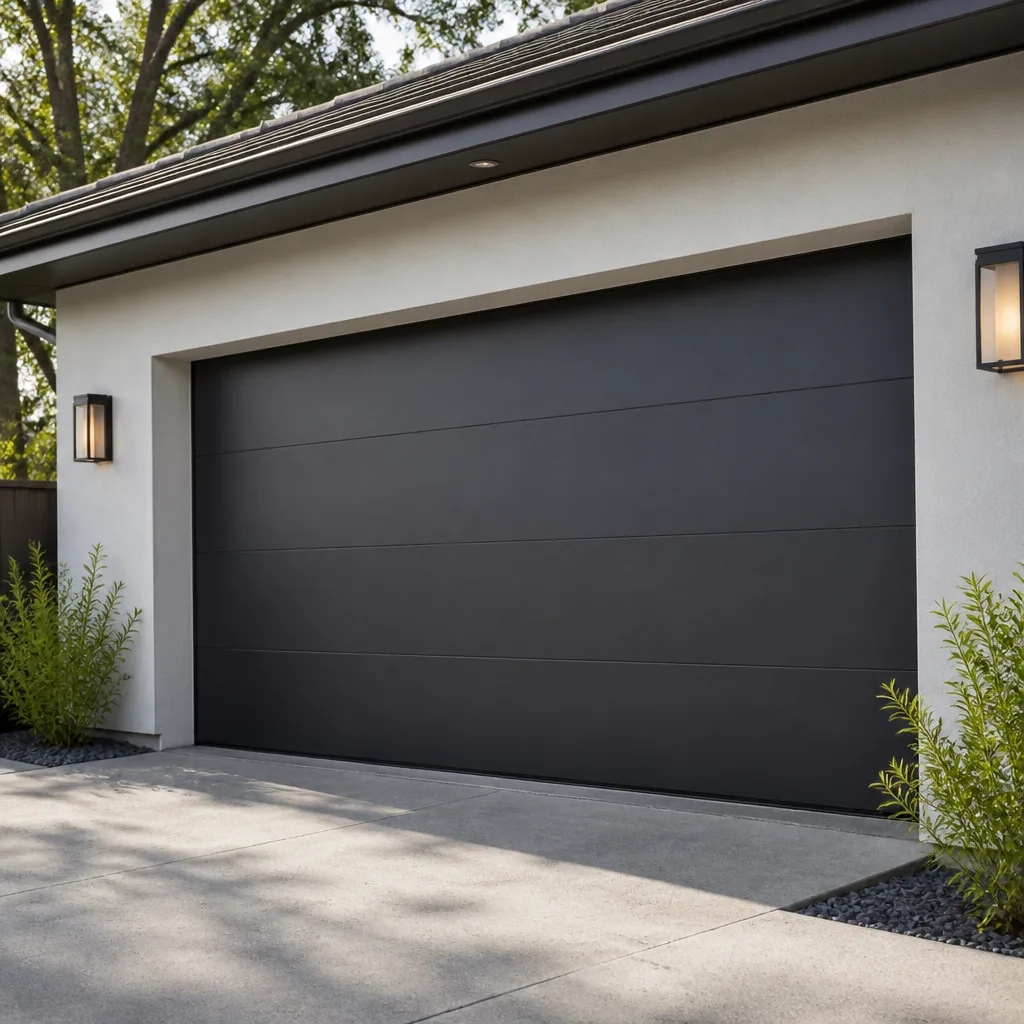 Modern flush
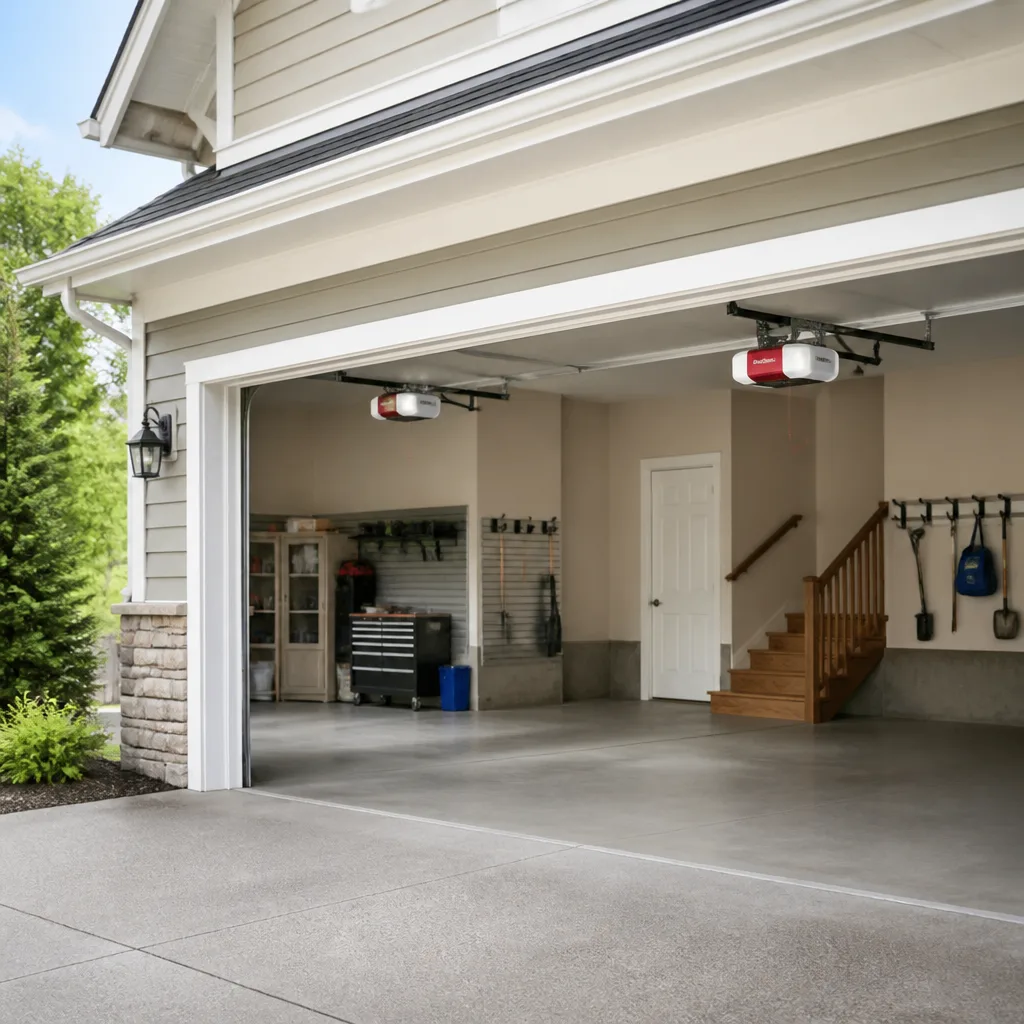 LiftMaster openers
 Chamberlain openers
Full 25-point door and opener safety check with every visit - springs, cables, rollers, tracks, and your LiftMaster or Chamberlain opener included
You get a price before we start. It does not change when the truck arrives.
Get your free estimateHow to Hire a Garage Door Contractor in Austin: A Step-by-Step Guide
In 2023, the Texas Department of Licensing and Regulation fielded hundreds of complaints about unlicensed home-service contractors statewide, yet here’s the uncomfortable truth: garage door repair requires no state license in Texas at all. That means anyone with a pickup truck and a socket set can print business cards and call themselves a garage door professional in Austin by sundown. This guide-along with our Complete Guide to Garage Door in Austin-gives you a specific, repeatable vetting framework so you can tell a legitimate contractor from a one-truck operation that will vanish after payment, before anyone ever sets foot in your driveway. We’ll walk through the exact lookups to run, the questions to ask, and the paperwork that separates real pros from transients in the Austin market.
Quick Answer
To hire a garage door contractor in Austin, verify the company’s identity and complaint history through TDLR and BBB, ask five specific questions about spring cycle ratings and written pricing, insist on an itemized written quote before any work begins, and require a warranty that covers the entire repair for at least 365 days in writing. The contractor should also tell you the technician’s name and send a photo before arrival. Doyle Garage Doors Austin meets all of these standards and provides free estimates at (361) 470-4316.
Styles & brands we work with
Table of Contents
- Step 1: Verify the Company Before You Call Back
- Step 2: Five Phone Questions That Separate Legit Contractors from Transients
- Step 3: Why a Written, Itemized Quote Is Non-Negotiable
- Step 4: Reading the Warranty Language Like a Pro
- Step 5: The Technician-Photo Standard and Why It Matters
- Step 6: Austin-Specific Considerations for Hiring
- Red Flags You Should Never Ignore
Step 1: Verify the Company Before You Call Back
Most Austin homeowners start their search the wrong way. They go straight to price, calling three companies and asking what a spring replacement costs. Instead, start with an identity check. In Texas, garage door work sits in a regulatory gray area: no mandatory state license exists for garage door contractors specifically. That means the burden of verification falls entirely on you, the homeowner. Here’s exactly what to run before you schedule anything.
First, search the company name on the Texas Department of Licensing and Regulation (TDLR) website. While garage door contractors don’t need a specific garage door license, some carry a Towing, Vehicle Storage, or other related credential that appears in TDLR’s database. More importantly, you’re looking for complaint records. If a company shows up with any unresolved complaint related to home-service work, that’s a conversation ender. Second, pull up the Better Business Bureau profile. Look for a pattern in complaints, not just a letter grade. A company that’s been in business since 2001 with a handful of closed complaints over two decades is very different from one that opened last spring and already shows three unresolved disputes.
Third, check that the business has a physical address. A PO Box or no address at all is a bright red flag. In our experience in Austin, transient operators often use virtual addresses or skip listing one entirely. Fourth, look at the vehicle. A legitimate contractor arrives in a marked vehicle with company identification. The truck itself should match the business name you researched. Austin’s boom has brought an influx of unmarked white vans doing garage door work with no identifying information beyond a phone number painted on the side, if that.
Once you’ve done this, keep your notes. Write down the name of the person who answered the phone, their role, and what they promised. This becomes your paper trail if anything goes sideways later. A legitimate operation answers the phone by naming the business. A fly-by-night operation often just says “hello” and waits for you to talk.
Step 2: Five Phone Questions That Separate Legit Contractors from Transients
The phone call is where Austin homeowners separate professionals from pretenders. Here are the five questions to ask, along with the answers a legitimate contractor will give and the red-flag answers that indicate a transient operation.
- “What spring do you install, and what’s its cycle rating?” A real pro answers with specifics: torsion springs, oil-tempered or powder-coated, rated for 10,000 cycles or 20,000 cycles. A transient contractor says “a good one” or “whatever fits.” Cycle rating matters because it determines lifespan. A 10,000-cycle spring lasts roughly 7 to 9 years of average use. A 20,000-cycle spring lasts 14 to 18 years. If the person on the phone can’t answer this, end the call.
- “Do you send the technician’s name and photo before arrival?” This single question filters out nearly every transient operation. A legitimate company has a system for this. A one-truck operator doesn’t know who’s showing up half the time, let alone have a process for sending a photo in advance. The answer you want is an immediate yes.
- “Will you give me a written quote before any work starts?” A professional says yes, that’s standard procedure. A transient hesitates, says they’ll “work something out,” or claims they only quote verbally after seeing the door. There is no legitimate reason to refuse a written quote before work begins. None.
- “How long is your written warranty on a repair?” The answer should be a specific number of days or years, delivered without stammering. The best answer is 365 days, in writing, covering the entire repair. The wrong answer is “we stand behind our work” without a number attached.
- “Do you have a live person answering your phones, or do I get a voicemail?” This catches more than you’d think. Call at an odd hour, like 7:30 am on a Saturday. If you get a bot or an answering service that promises a callback, you’ve learned something about how that company treats emergencies. A company that runs voicemail-only during business hours is signaling that customer service is not a priority.
Three of these five questions will trip up a transient contractor instantly. A legitimate Garage Door Repair in Austin company answers all five without missing a beat. When you call Doyle Garage Doors Austin at (361) 470-4316, you’ll get Aaron Teague or a member of his team on the line, not a voicemail tree.
Step 3: Why a Written, Itemized Quote Is Non-Negotiable
Here’s the scenario we hear most often from Austin homeowners: a contractor quotes $250 over the phone, shows up, pokes around, then announces the job is really $780 because of “complications.” The homeowner, already home with a broken door blocking their car, agrees under pressure. That’s not a repair, that’s a shakedown.
A written, itemized quote prevents this entirely. Before any work begins, you should have a document in hand that lists every part and every line item: torsion spring, $XXX. Cables, $XXX. Labor, $XXX. Tax, $XXX. Total, $XXX. You sign it. The contractor signs it. Everyone knows the number. If the total changes mid-job, you both discussed it and signed an addendum. This is how professional contractors have always operated, and it’s the single biggest distinguisher between a legitimate Austin garage door company and a price-baiting transient.
In Austin’s current market, expect these rough ranges for common repairs:
- Torsion spring replacement (both springs): $180 to $340, depending on spring cycle rating and door weight
- Cable replacement: $150 to $250 per side
- Roller replacement (set of 10): $100 to $180
- Track realignment: $125 to $225
- Opener motor replacement: $300 to $550 for a mid-range LiftMaster or Chamberlain
- Full door replacement: $800 to $2,500 depending on material, insulation, and size
If a contractor refuses to put numbers on paper before turning a wrench, tell them to leave. You don’t owe them a driveway conversation. This is your home, your money, and your door. The price is agreed, written down, and handed to you before a single bolt is turned. That’s the standard. Anything less is negotiation theater designed to extract more money from you after the door is in pieces.
For Garage Door Installation in Austin projects, the written quote matters even more, because installation involves multiple components, potential structural questions, and bigger dollar amounts. A new door quote should list the exact model, size, insulation value, color, hardware style, and installation labor separately.
Step 4: Reading the Warranty Language Like a Pro
Warranty language is where contractors hide their real commitments. The phrase “1-year parts and labor” sounds solid, but it’s often narrower than you think. Does it cover the spring itself? The cables? The labor to come back and redo the whole repair? What about the opener’s electronic components? Read the exact words.
A 365-day written guarantee that covers the entire repair is the strongest requirement you can ask for. That means: if any part of the repair fails within 365 days from the date of repair, the company comes back and makes it right at no charge. Not parts only. Not “within manufacturer warranty.” The whole repair, parts and labor, for a full year. Ask for this in writing. If the contractor won’t put a 365-day total-repair guarantee on paper, ask yourself why not. They know their own failure rate better than you do.
Here at Doyle Garage Doors Austin, every repair includes the 365-Day Done Right Promise: if it’s not done right, we make it right. That’s 365 days from the date of repair, the longest, most clearly stated guarantee in the trade, applied to every repair, in writing, every time. If a repair fails within that year, we return and fix it at no charge. Plus, the second visit is free, automatically. No arguing, no negotiation, no “well, the spring manufacturer only covers 90 days.” We own the entire repair for a full year.
Ask a transient contractor how long they’ll cover a spring they already told you is “top quality.” If their warranty answer is vaguer than their price quote, the spring probably isn’t top quality either. Genie, Clopay, and Amarr parts all have manufacturer warranties, but the installer’s own workmanship stands separate. Your contractor’s written guarantee matters more than the box’s fine print.
Step 5: The Technician-Photo Standard and Why It Matters
You’re home alone. You scheduled a repair. The doorbell rings. On the other side of the peephole is a person you’ve never seen. Now you have to decide: open the door, or don’t. For parents with young kids, older homeowners, and anyone who lives alone, this is not a hypothetical. It’s the single most stressful moment of any home service call.
The technician-photo-before-arrival standard solves this completely. Before the appointment, you get the tech’s name and a photo. When the doorbell rings, you check the phone, look at the peephole, and confirm it’s the same person. Then you open the door. Simple. No guesswork, no gut-feeling decisions. This is the Threshold Standard: every technician is identity-verified, arrives in a clean marked uniform, and shows a photo ID badge at the door, every time, no exceptions.
Beyond safety, the photo-before-arrival standard creates something equally valuable: a paper trail. When a company documents who is coming, the time, and the specific technician assigned, vague verbal quotes become impossible. “The guy on the phone said $200” means nothing. “I have a photo of Technician X, a written quote dated Tuesday, and a signed work order” means everything. If a dispute arises, you have documentation. Transient operators hate documentation. They thrive on ambiguity. A company that sends a name and photo before every visit is already operating at a transparency level that makes disputes rare.
This is the standard we’ve run at Doyle Garage Doors Austin home since day one in 2001. Our techs are background-checked, identity-verified, and their names and photos go to customers before the visit. Aaron Teague built this process specifically because Austin homeowners kept telling him they’d had bad experiences with unknown people showing up at their doors. The answer wasn’t complicated: tell people exactly who’s coming, then prove it at the door.
Step 6: Austin-Specific Considerations for Hiring
Austin’s growth shapes the garage door market in ways that don’t apply elsewhere. The metro area added hundreds of thousands of new residents over the last decade, and the housing stock ranges from 1950s bungalows in Crestview to brand-new builds in Easton Park. That means door ages, styles, and spring conditions vary wildly from house to house. A contractor who knows which neighborhoods have older wood doors that need custom spring sizing will diagnose faster and price more accurately than someone guessing from a Google photo.
Climate matters too. Austin’s heat and humidity punish garage door springs. Thermal expansion and contraction, combined with the constant dust from the Hill Country, wears down springs and rollers faster than the national average. We regularly see spring failures in East Austin and Mueller where the spring’s cycle rating was simply exhausted early by the heat cycling. A knowledgeable Austin contractor asks about your door’s age and the local climate conditions before recommending a spring cycle rating, as covered in our Seasonal Garage Door Care for Austin: Year-Round Homeowner’s Guide. A transient one recommends whatever’s on the truck.
There is one more Austin-specific factor: the onslaught of door-to-door garage door solicitors working the newer subdivisions south of the river. Circle C, Shady Hollow, and parts of Dripping Springs get hit with teams offering “free inspections” that quickly find hundreds of dollars in “necessary repairs.” A legitimate Austin garage door company doesn’t canvas neighborhoods. They don’t need to. Demand is high enough that real contractors are booked days out, not walking door to door fishing for work. If someone knocks on your door offering garage door work, close the door. Call a company you’ve vetted instead.
Red Flags You Should Never Ignore
If you remember nothing else from this guide, remember these signs. Any one of them is enough to disqualify a contractor. Two or more and you’re dealing with a transient operator who has no intention of standing behind the work.
- No physical address listed online. A PO Box, a virtual office, or no address at all means no stable business location. Where do you send a demand letter when the spring fails in a month?
- The “unmarked white van” phenomenon. No company name on the vehicle, no uniform on the tech, no badge. You can’t verify anything about who’s standing in your driveway.
- Pressure to decide “right now.” A legitimate contractor gives you a written quote and lets you sleep on it. A transient tells you the price is only good if you sign today.
- Refuses to put the price in writing before starting. No exceptions, no “we’ll figure it out as we go.” Written price first, always.
- Cash-only payment demanded. This eliminates your paper trail. A legitimate business invoices you and accepts traceable payment methods.
- Warranty described as “we stand behind our work” with no specific number of days. That sentence has zero legal meaning. You need a number, in writing, covering the whole repair.
- Door-to-door solicitation in Austin neighborhoods. As covered above, real contractors don’t canvas. If they’re knocking, they’re hungry, and hungry contractors cut corners.
See the difference
 Before
 After
After Before
 After
After Before
 After
AfterFrequently Asked Questions
Most garage door repairs in Austin run between $150 and $550, with torsion spring replacement typically costing $180 to $340 and full door replacement running $800 to $2,500. Exact pricing depends on your door’s weight, spring type, and the repair’s complexity, which is why a written itemized quote before any work starts is essential. Call (361) 470-4316 for a free estimate on your specific door.
Most established Austin garage door companies offer same-day repair service for common issues like broken springs, snapped cables, and opener failures. Emergency calls are typically routed to a live person who can dispatch a tech quickly. At Doyle Garage Doors Austin, a live person answers 24/7, including day, night, weekends, and holidays, and we schedule same-day repair for most garage door issues.
In most Austin residential neighborhoods, a simple door replacement on an existing track system doesn’t require a permit. However, if you’re enlarging the opening, adding a new header, or making structural changes, you may need city permits. A legitimate Austin contractor will tell you upfront whether your specific project requires paperwork and will handle the process for you rather than waving it off. Always ask during the quoting phase.
A quality torsion spring in Austin should last 7 to 9 years with a 10,000-cycle rating, though the city’s heat and humidity can shorten that slightly. A 20,000-cycle spring typically lasts 14 to 18 years. If your spring fails after two or three years, it was likely undersized, previously installed, or low-quality. Ask your contractor for the exact cycle rating of the spring they’re installing, in writing.
Not if you have a written, itemized quote. The price you agree to before work begins is the price you pay, unless you and the contractor both sign an addendum for additional work. A contractor who tries to raise the price after seeing the door is either inexperienced or running a bait-and-switch-exactly the scenario our DIY vs Professional Garage Door: The Austin Homeowner’s Decision Guide warns against. Doyle Garage Doors Austin provides a written price before any work starts, every time, with no invoice surprises.
Reputable Austin garage door contractors service all major brands including LiftMaster, Chamberlain, Genie, Clopay, Amarr, Wayne Dalton, Craftsman, and Raynor. If a company claims they “only work on” one brand, that’s a depth-of-experience red flag. Factory-trained technicians can diagnose and repair across brands because the core mechanics are similar; the electronics and spring specifications vary. Doyle Garage Doors Austin is factory-trained on all major brands.
The Bottom Line
Hiring a garage door contractor in Austin requires more than a Google search and a phone call. The market has been flooded with transient operators who rely on your urgency and the absence of state licensing to extract money without accountability. The framework is simple: verify the company’s identity, ask the five questions that expose transients, insist on a written itemized quote, read the warranty’s exact wording, and require a technician photo before arrival. Follow those five steps and you’ll find a contractor who honors their work. Skip them and you’re gambling, usually with your own front door. For more guides & resources on protecting your home investment, explore our blog. For a free estimate on any garage door issue in Austin, call Doyle Garage Doors Austin at (361) 470-4316.
Written by Aaron Teague, Owner at Doyle Garage Doors Austin, serving Austin since 2001.