
Last updated October 16, 2026
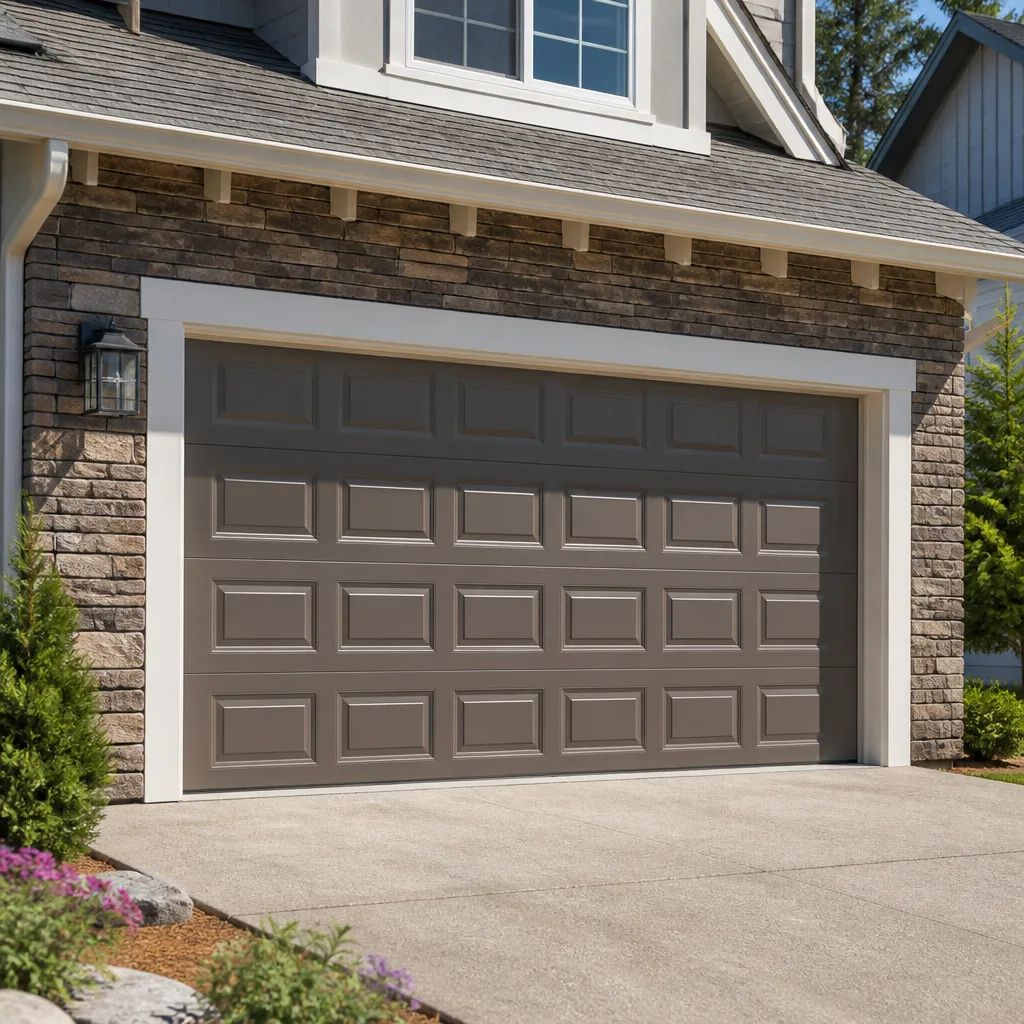 Raised-panel steel
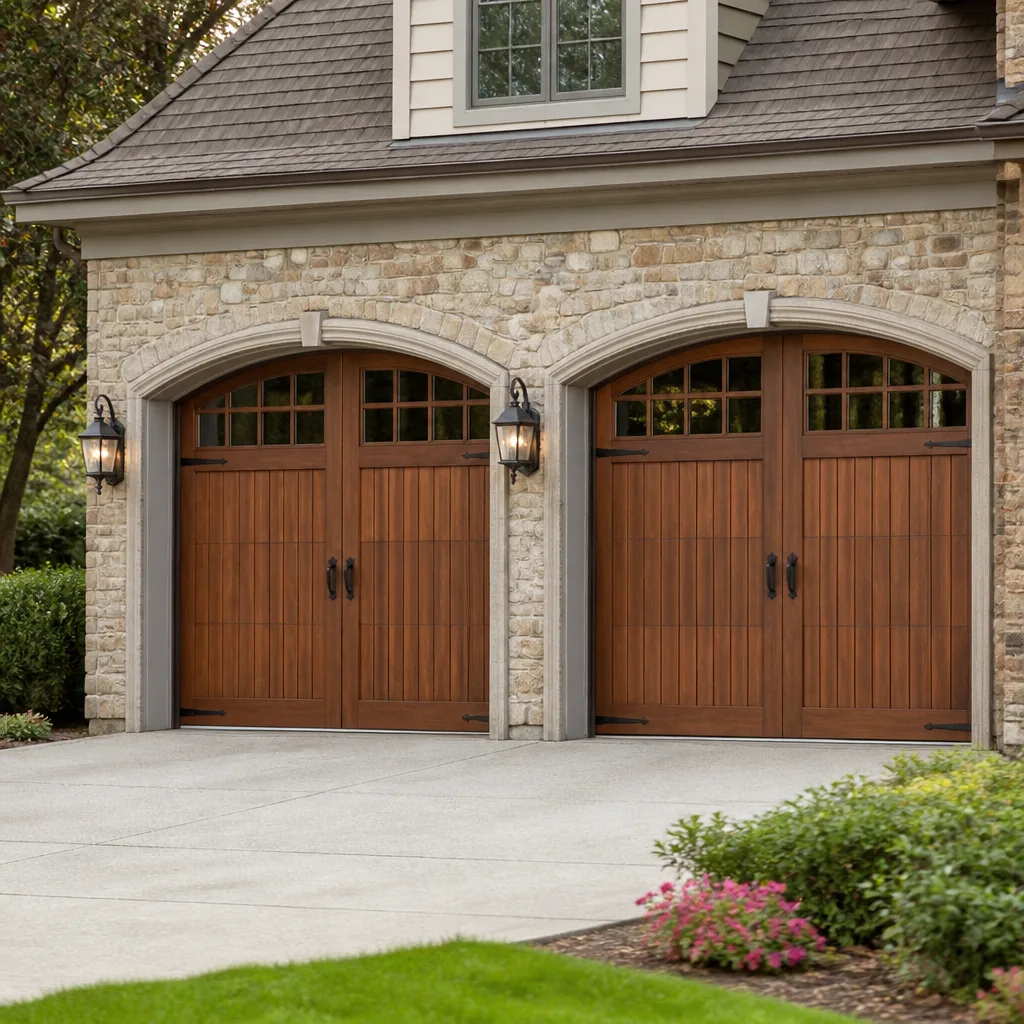 Carriage house
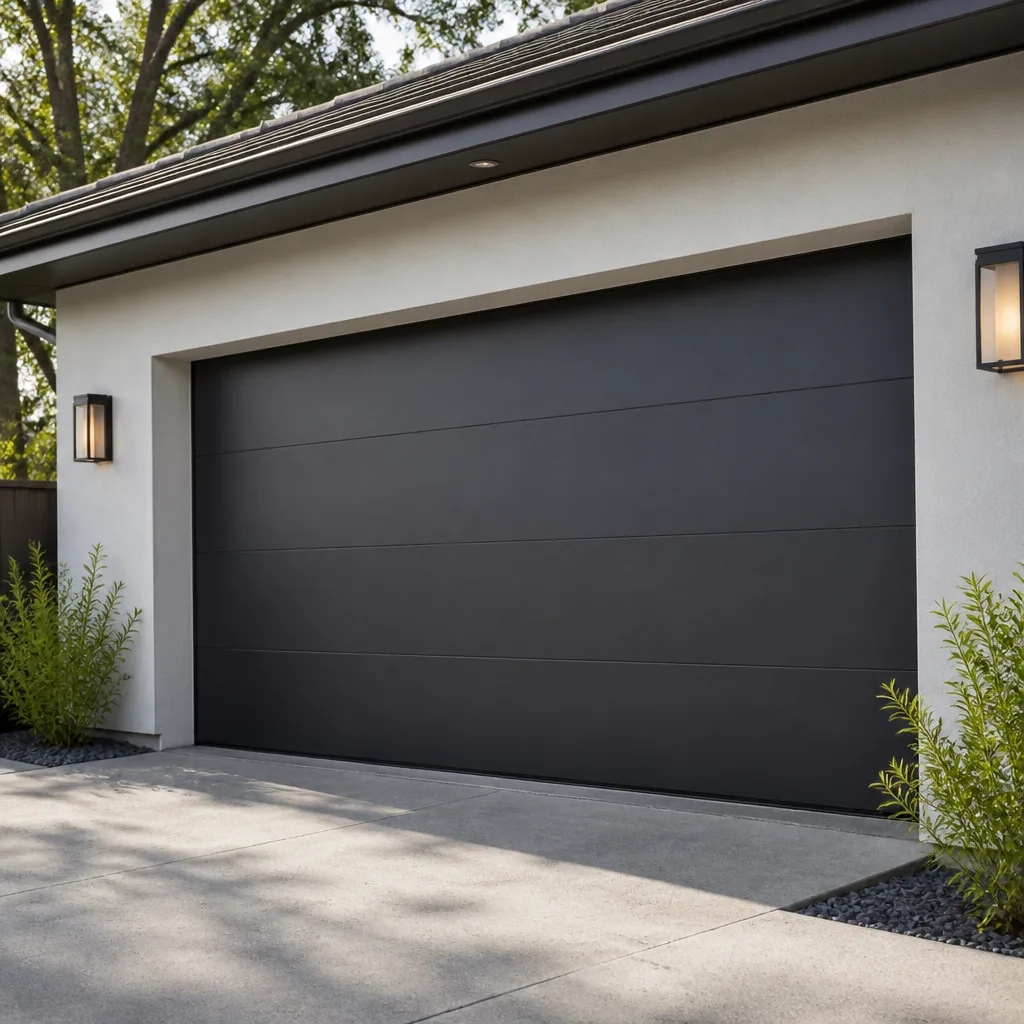 Modern flush
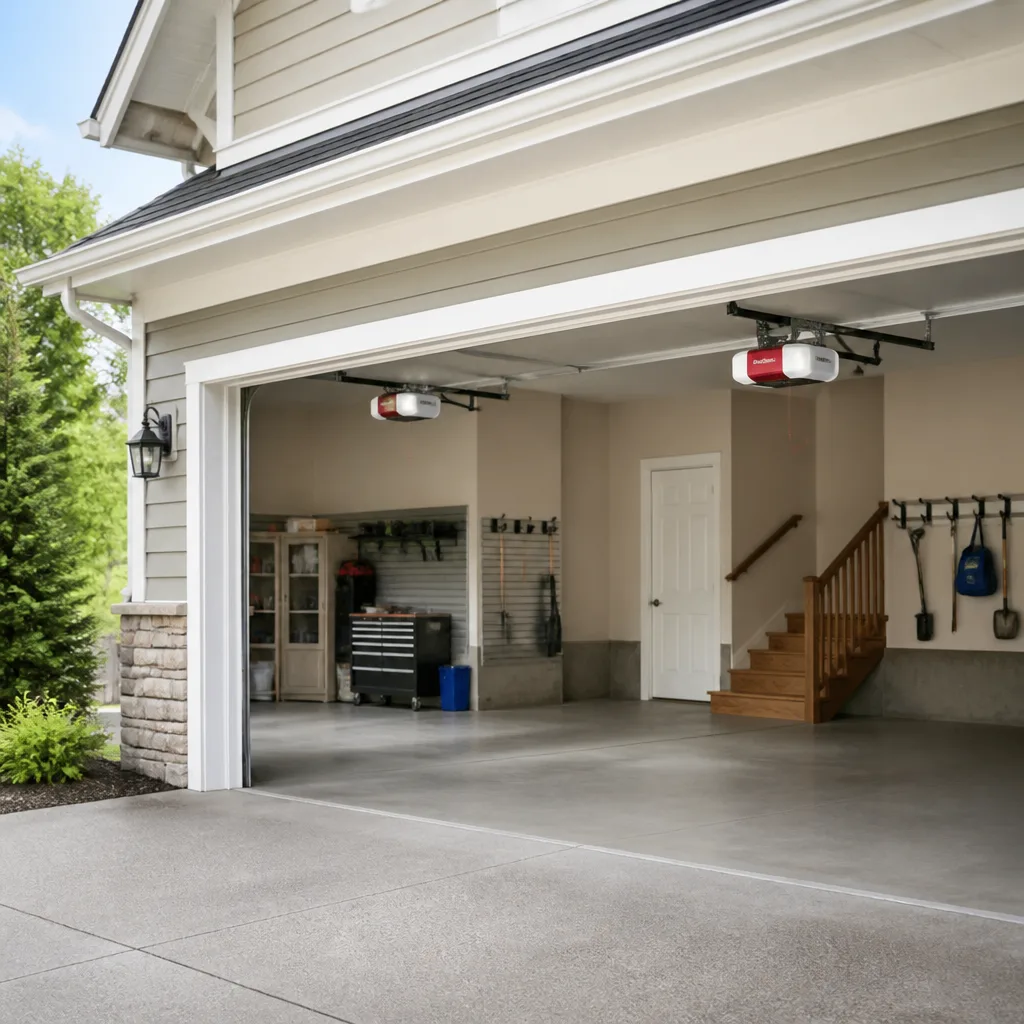 LiftMaster openers
 Chamberlain openers
Full 25-point door and opener safety check with every visit - springs, cables, rollers, tracks, and your LiftMaster or Chamberlain opener included
You get a price before we start. It does not change when the truck arrives.
Get your free estimateGarage Door Cost Breakdown: The Austin Homeowner’s Reference for 2026
Here’s a number that should make every Austin homeowner pause: a standard 2-inch torsion spring for a 16×7 garage door wholesales for $38 to $55 in Central Texas. Yet Austin homeowners are regularly invoiced $180 to $250 for a spring replacement with no line-item showing the part cost. That gap, roughly four to five times the actual component price, is the markup you can now check against. This guide puts real Austin-market numbers on paper so you can read a quote with confidence, spot the difference between necessary work and upsell, and know exactly what a fair price looks like in 2026. For more guides & resources, see our blog.
Quick Answer
Garage door repair costs in Austin in 2026 run $125 to $450 for most common fixes, with torsion spring replacement at $180 to $340, opener repair at $150 to $350, and full door replacement at $1,200 to $4,500 installed depending on material and size. Labor in the Austin market runs $75 to $120 per hour, though most reputable companies use flat-rate pricing so you know the total before work starts. The single biggest pricing variable is not the part, it’s whether the company itemizes the invoice or gives you a single “repair and parts” number that hides a 30 to 40 percent markup.
Styles & brands we work with
Table of Contents
- Line-Item Cost Table: The 12 Most Common Austin Repairs
- What Labor Should Cost Per Hour in Austin in 2026
- Flat-Rate vs. Hourly Billing: What Each Means for Your Wallet
- Three Necessary Add-Ons vs. Three Common Upsells
- How to Read a Garage Door Quote in Austin
- New Door vs. Repair: The 5-Year Tipping Point
- Common Mistakes to Avoid
- When to Call a Professional
- Frequently Asked Questions
Line-Item Cost Table: The 12 Most Common Austin Repairs
Every one of these numbers reflects what we’ve actually seen on Austin service tickets in the last 12 months. They include parts and labor at fair market rates. If your quote comes in significantly higher than the top of these ranges, ask for a line-item breakdown before you approve anything.
| Repair | Part Cost (Austin Market) | Typical Total with Labor | Notes |
|---|---|---|---|
| Torsion spring (single) | $38 – $70 | $180 – $280 | High-cycle springs cost more but last 2-3x longer |
| Torsion spring (pair) | $70 – $140 | $280 – $450 | Replacing both springs at once is standard practice when one fails |
| Extension cable | $15 – $35 | $135 – $220 | Frayed cables are a safety issue; replace before they snap |
| Roller set (nylon, 10 – 12 rollers) | $40 – $80 | $150 – $250 | Nylon rollers are quieter; Austin heat degrades plastic faster |
| Bottom seal / weatherstrip | $25 – $50 | $110 – $190 | Critical for keeping Austin rain and pests out |
| Panel section replacement | $150 – $400 | $350 – $750 | Often not worth it if door is 15+ years old |
| Opener unit (LiftMaster/Genie) | $200 – $450 | $400 – $800 installed | Belt drives are quieter; chain drives are cheaper |
| Wireless keypad | $35 – $75 | $90 – $160 | Universal keypads work with most brands |
| Limit switch adjustment | $0 – $20 | $95 – $150 | Usually a labor-only call |
| Trolley carriage replacement | $50 – $100 | $160 – $280 | The part that connects the opener rail to the door |
| Hinge set (4 – 6 hinges) | $30 – $70 | $130 – $240 | Overlooked cause of noisy doors |
| Safety sensor alignment | $0 – $15 | $85 – $130 | Often fixed in 30 minutes; avoid companies charging more |
One thing worth noting for Austin specifically: the city’s clay-heavy soil shifts. Foundation movement changes the angle of the door frame over time, which puts uneven stress on cables and rollers. Check our Garage Door Warning Signs: A Austin Homeowner’s Reference Guide to catch these issues early. We see more cable failures and sensor misalignments in neighborhoods like Crestview and Allandale than in newer areas with post-tension slabs like Steiner Ranch, simply because the older homes sit on expansive soil that moves with drought and rain cycles.
What Labor Should Cost Per Hour in Austin in 2026
Austin garage door labor rates in 2026 sit between $75 and $120 per hour. Companies at the low end often send a single technician in a personal vehicle with no branded uniform. Companies at the high end typically include background checks, uniformed techs, insurance, and written guarantees in that rate. The difference is not just convenience. It’s the cost of knowing who is walking up your driveway.
The Austin market has a wider spread than Dallas or San Antonio because the city’s rapid growth pulled in dozens of new garage door companies between 2020 and 2025. Many compete on price alone. Others compete on process and accountability, which costs a bit more per hour. Here’s what that hourly rate actually covers at most legitimate Austin shops:
- Drive time to your home (Austin traffic adds 20 to 40 minutes each way from many neighborhoods)
- Tool and equipment wear plus vehicle maintenance
- Insurance and workers’ comp, which is not optional for legitimate companies in Texas
- Training hours on opener brands like LiftMaster and Chamberlain, which update firmware regularly
- Dispatch, call center, and the person who answers the phone at night
When a company quotes you $65 an hour in Austin, something is missing from that picture. Insurance is expensive. Background checks cost money. A written guarantee means the company is financially prepared to come back for free if the repair fails. Those expenses show up either in the hourly rate or in the part markup. Preferably the rate, because then you can see it.
Flat-Rate vs. Hourly Billing: What Each Means for Your Wallet
There are two ways Austin garage door companies bill. Both have trade-offs, and knowing them before you call changes the conversation entirely.
Flat-rate pricing
You get one number before any work starts. Torsion spring replacement: $280. Opener swap: $650. That number includes parts, labor, and the service call. The advantage? No surprise if the job takes longer than expected. The risk? The company has already built their worst-case labor time into the price, so you might pay a bit more for a job that actually goes fast.
Hourly billing
You pay for actual time on site at an agreed rate. A 45-minute roller replacement at $95 an hour runs you about $72 for labor plus parts. The advantage? You only pay for time used. The risk? If the tech runs into a seized bolt or a misaligned track, the clock keeps running. An “hour job” can become a three-hour bill through no fault of yours.
Most experienced Austin homeowners end up preferring flat-rate for common repairs because the total is known before work begins. Our company uses flat-rate pricing and hands every customer a written price before a single bolt is turned. That’s not bragging. It’s the quickest way to eliminate the invoice surprise that makes people distrust service calls in the first place.
Three Necessary Add-Ons vs. Three Common Upsells
Here’s where Austin homeowners get taken advantage of more than any other part of the transaction. Some add-ons are genuinely worth paying for. Others are profit padding.
Legitimately necessary add-ons
- Second spring replacement. When one torsion spring breaks, the other is usually within months of failing too. They wear at roughly the same rate because they cycle together. Paying for both springs now means one service call instead of two, and most companies charge less per spring when they replace the pair together.
- Nylon roller upgrade. Austin heat and humidity wear out plastic rollers faster than almost anywhere in Texas. Nylon rollers with sealed ball bearings run $40 to $80 for a full set and cut door noise dramatically. If your metal rollers are original and the door is 10+ years old, this is money well spent.
- High-cycle torsion springs. Standard springs are rated for about 10,000 cycles, which translates to 5 to 7 years of typical use. High-cycle springs are rated for 25,000 to 30,000 cycles and cost 30 to 50 percent more. If you plan to stay in your Austin home long-term, this is the single best value upgrade in the garage door trade.
Almost always upsell on a standard repair call
- Track replacement when the tracks are straight. Bent tracks are real, but they are rare from normal use. If a technician wants to replace both tracks because of “wear and tear,” ask them to show you the bend or damage with a level and a straight edge. Tracks don’t wear out like springs or rollers do.
- Opener “tune-up package” on every visit. A tune-up is valuable once every two to three years. A company that pushes it on every single service call is looking for recurring revenue, not addressing a problem you actually have.
- Full door replacement on a door under 12 years old. Sectional steel doors routinely last 15 to 20 years in Austin unless they have sustained physical damage. If a tech who came out to fix a spring starts talking about how you should really replace the whole door, get a second opinion before spending $2,000 you probably don’t need to spend.
How to Read a Garage Door Quote in Austin
Most Austin homeowners never see an itemized quote because many companies don’t offer one. They get a single number scrawled on a tablet: “repair and parts: $420.” That’s not a quote. That’s a price with no way to verify whether it’s fair.
A legitimate itemized invoice from a credible Austin garage door company should show at least this much:
- Service call or diagnostic fee, clearly stated (usually $29 to $75, often waived if you approve the repair)
- Part name and part number or size (example: “torsion spring, 2-inch ID, 0.225 wire, right-wound”)
- Part cost, shown separately from labor
- Labor rate or flat-rate labor total
- Any applicable tax
- Total, matching the number you approved before work began
If the company uses flat-rate pricing, they may not break down labor and parts separately on the invoice. That’s fine, as long as the total matches the written price you approved. What’s not fine is a company that refuses to give you anything in writing until after the work is done.
At Doyle Garage Doors Austin home, the written price policy has been the same since 2001: the price goes on paper, you approve it, and that’s the number on the invoice. Aaron Teague set the process up that way in the Threshold Group’s early years and it hasn’t changed because it’s the only way to run a repair business without building a reputation for surprises.
New Door vs. Repair: The 5-Year Tipping Point
There’s a specific point where continuing to repair an old door costs more than replacing it, and Austin homeowners cross it all the time without realizing. Here’s the math.
If your door is over 15 years old and needs two or more of the following in a single year, replacement usually wins on a 5-year horizon: spring pair, roller set, panel replacement, opener, and track realignment. The combined repair path runs $700 to $1,400 annually, which compounds quickly. A new door from Clopay or Amarr with a fresh opener runs $1,800 to $4,500 installed and comes with a warranty that covers most components for 5 to 10 years.
Here are the installed price ranges for new doors in the Austin market in 2026:
- Single-car steel door (8×7): $1,200 to $2,200 installed
- Double-car steel door (16×7): $1,600 to $2,800 installed
- Double-car insulated steel door with windows: $2,200 to $3,600 installed
- Vinyl or composite door with decorative hardware: $2,800 to $4,500 installed
- Custom wood door: $4,000 to $8,000 installed, Austin custom carpentry rates pushing the high end
The tipping point formula is simple: if your projected repair spend over the next 5 years exceeds 40 percent of a full replacement cost, replace the door. A homeowner in Hyde Park with a 1998 wooden door that needs two panel replacements, new springs, and a new opener is looking at $1,600 to $2,000 in repairs on a door that will need more work within 18 months. That’s past the tipping point. Spend the money on a new door and stop feeding the old one.
For installation-specific pricing and process details, see our Garage Door Installation in Austin page.
Common Mistakes to Avoid
- Approving a single-line “repair and parts” quote without asking what the parts actually are. If the company can’t tell you the spring size and wire gauge they’re installing, they’re either hiding markup or they don’t know the trade. Either way, decline.
- Replacing a garage door opener on an old door without inspecting springs and rollers first. Austin’s cycling rates mean the opener usually dies first, but the springs are not far behind. If you put a new LiftMaster on a door with 12-year-old springs, you’ll be back on the phone within months.
- Choosing the cheapest spring option because the quote is lower. A $190 spring replacement is cheaper than a $280 high-cycle replacement for a reason. The cheaper spring is rated for fewer cycles. In an Austin home where the garage door opens six to eight times a day, standard springs fail in 4 to 5 years. High-cycle springs push that to 10 or more.
- Ignoring a frayed cable because “the door still opens fine.” Cables under tension don’t give warning before they fail. When one goes, the door can slam down or slam shut, and that’s a genuine safety hazard for anyone nearby. If you see fraying, call someone.
- Paying for a “full tune-up” on a door that was installed within the last three years. New doors don’t need tune-ups. They need lubrication once a year, which you can do yourself with white lithium grease on the hinges and rollers. Companies that push tune-up packages on new doors are billing for labor that isn’t necessary.
- Hiring a company that can’t tell you who is coming to your home. In Austin in 2026, there’s no good reason to open your door to an unnamed, unvetted person. Any legitimate garage door service should be able to give you the technician’s name in advance. It’s a basic safety step that takes 30 seconds.
When to Call a Professional
Some garage door problems are safe to diagnose yourself. A noisy opener or a keypad with dead batteries doesn’t require a pro. But torsion springs are under hundreds of pounds of tension. A spring that snaps while you’re working near it can break bones or worse. Extension cables under tension can lash. Track adjustments require leveling the door in multiple planes. These are not weekend projects.
Call a professional if your door: makes a loud bang and stops moving (broken spring), lifts unevenly or jerks on the way up (cable or spring issue), won’t close and reverses immediately (sensor or force setting), or has visible rust damage to hinges and rollers that interferes with smooth operation. None of these are safe to fix from a ladder.
Doyle Garage Doors Austin offers free estimates for garage door repair in Austin. Call (361) 470-4316 and a real person answers. Every repair includes a written price before work starts and a written 365-day guarantee. For more on what a full repair scope covers, read the Garage Door Repair in Austin page.
Frequently Asked Questions
Most Austin garage door repairs cost between $125 and $450 in 2026. A single torsion spring replacement typically runs $180 to $280, a new opener unit $400 to $800 installed, and a full door replacement $1,200 to $4,500. The price depends on your door size, whether you have extension or torsion springs, and whether the company itemizes parts and labor. Call (361) 470-4316 for a free estimate with a written price before any work starts.
For emergency repairs like broken springs, snapped cables, or a door stuck in the open position, same-day service is available across most of Austin. For installation or full door replacement work, same-day is not standard because the door has to be measured, ordered, and scheduled. If your repair is urgent, call (361) 470-4316. A live person answers 24/7 and can tell you about same-day availability in your neighborhood.
A torsion spring replacement in Austin runs $180 to $340 for a single spring and $280 to $450 for a pair, including parts and labor. The spring itself costs $38 to $70 wholesale in Central Texas, and a high-cycle spring upgrade adds 30 to 50 percent to the part cost. We recommend replacing both springs at once and choosing high-cycle springs if you plan to stay in the home for more than five years.
It shouldn’t. The price you’re quoted before work begins should be the price you pay when the work is done. At Doyle Garage Doors Austin, we put every price in writing before a single bolt is turned, and our 365-Day Done Right Promise means the price and the work are both covered. If a company tells you the number might go up once they take a look, that’s a signal to get a second quote.
Most established Austin garage door companies keep common parts on the truck, including torsion springs in multiple sizes, cables, rollers, hinges, and weatherstrip. That means a typical spring or roller replacement is completed in a single visit. Uncommon parts, like a specific panel section for a discontinued door line, typically require a return visit. For Garage Door Opener Repair in Austin, the same applies: circuit boards and limit switch kits for LiftMaster, Chamberlain, and Genie are stocked in most service vehicles.
Ask three things: Can they give you the technician’s name and photo before the visit? Do they provide a written price before work starts? Do they back repairs with a written guarantee? At Doyle Garage Doors Austin, every technician is background-checked and identity-verified under the Threshold Standard, arrives in a clean marked uniform, shows a photo ID badge at the door, and the name and photo are sent to you before arrival. Plus we back every repair with a 365-day written guarantee. Those are the minimum standards any legitimate Austin company should meet.
The Bottom Line
Austin garage door pricing in 2026 is inflated by markups that many companies never itemize. The fix is to know the component costs going in, demand a written price before work starts, and refuse any quote that comes as a single unexplained number. Torsion springs wholesale for $38 to $55. Labor runs $75 to $120 an hour. Any quote dramatically above those ranges should come with a line-item explanation, not a shrug. When you understand the numbers, you can get the repair done without the anxiety of wondering whether you overpaid. Doyle Garage Doors Austin has operated on that principle since 2001: written prices, vetted technicians, and a guarantee that lasts 365 days. Call (361) 470-4316 for a free estimate.
Written by Aaron Teague, Owner at Doyle Garage Doors Austin, serving Austin since 2001.
See the difference
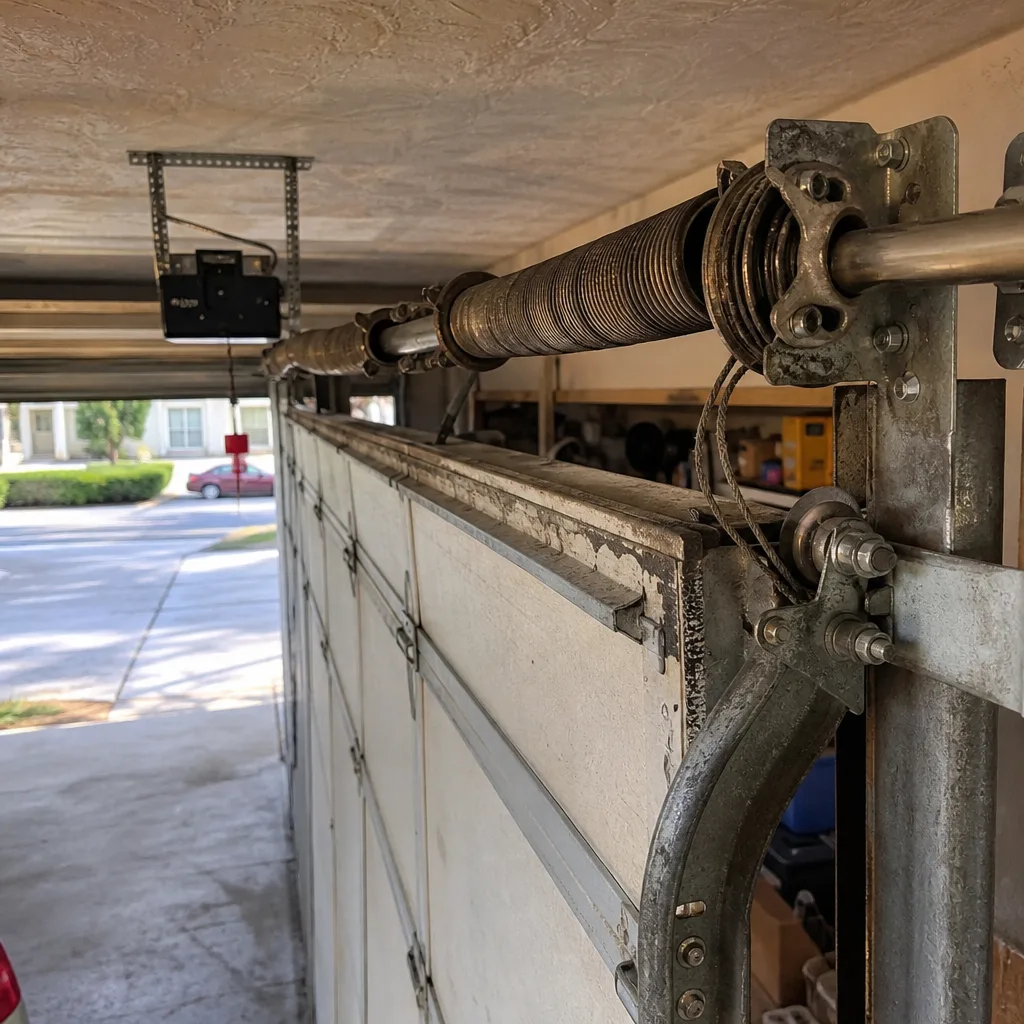 Before
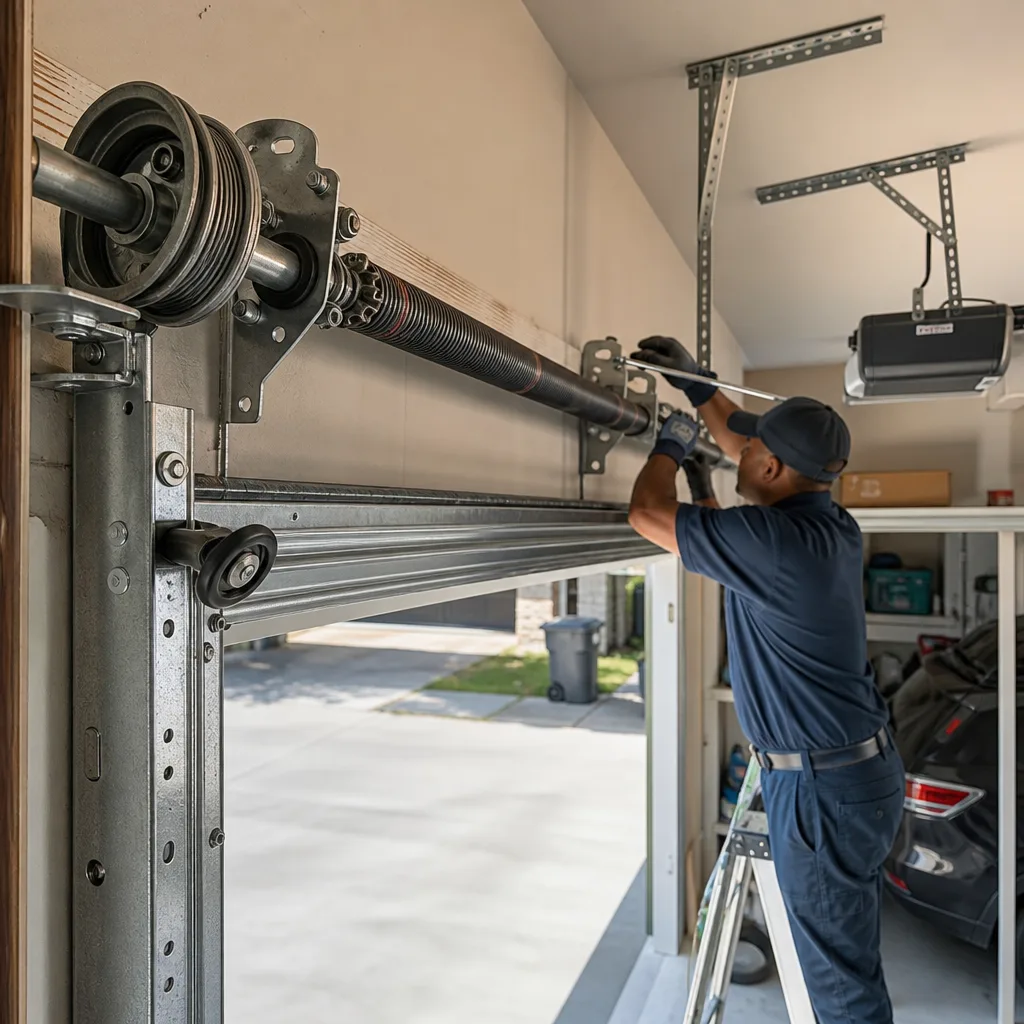 After
After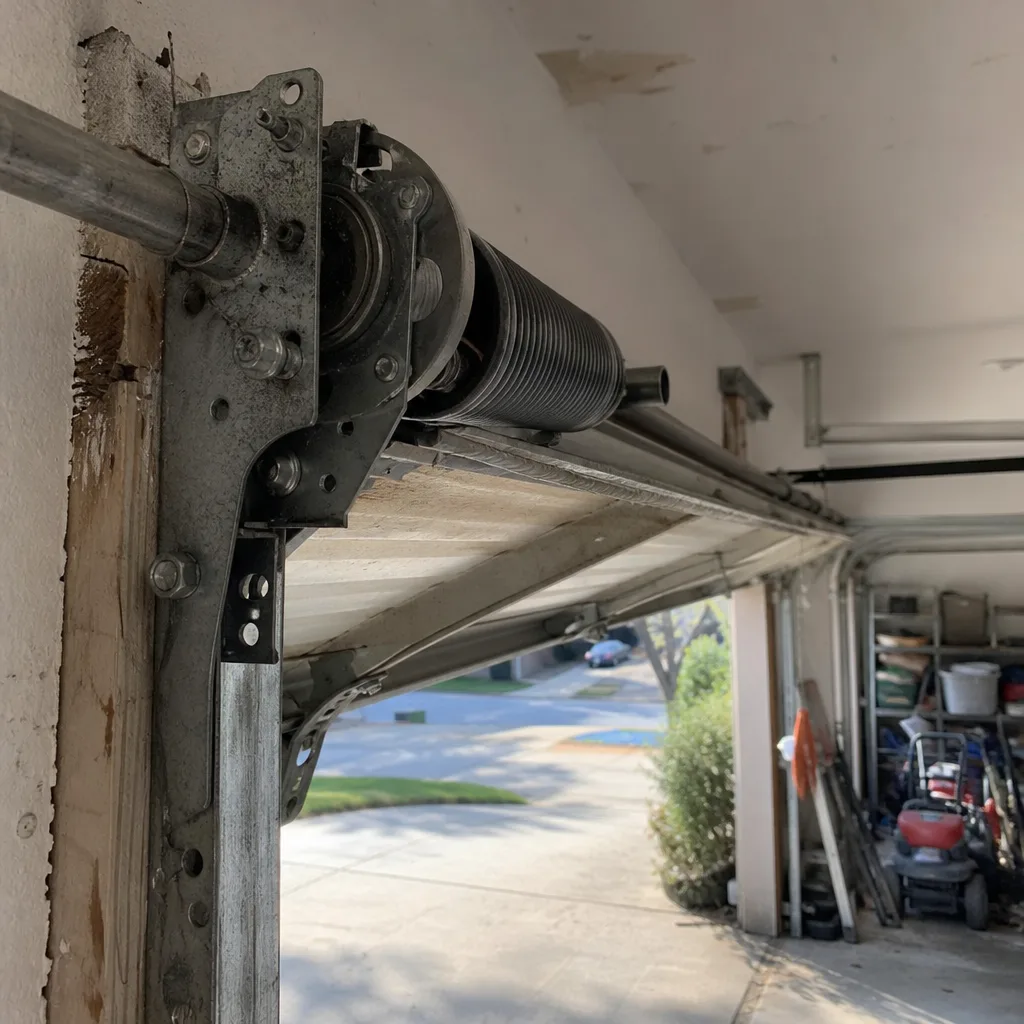 Before
 After
After Before
 After
After